


You’ve been exercising regularly, eating well, and staying hydrated, yet fine lines seem deeper and your knees ache after a run. Despite your best efforts, your skin and joints aren’t responding as they once did. Collagen supplements promise to restore elasticity and cushion joints, but with so many options and conflicting advice, knowing where to start feels overwhelming. This guide cuts through the confusion, explaining how collagen supplements work, which types suit your needs, optimal dosages, and safety considerations so you can make informed decisions about incorporating them into your wellness routine.
Table of Contents
- Key takeaways
- Understanding collagen and its role in skin and joint health
- Choosing the right collagen supplement for your needs
- How to use collagen supplements effectively for skin and joint health
- Considerations, safety, and managing expectations
- Discover Elevate Supplements for your collagen journey
- Frequently asked questions
Key Takeaways
| Point | Details |
|---|---|
| Collagen types by use | Different collagen types suit skin versus joints. |
| Doses vary by goal | Recommended daily doses vary by health goal. |
| Peptide absorption boosts collagen | Hydrolysed collagen peptides are absorbed and stimulate production of your own collagen. |
| Diet plus vitamin C helps | Vitamin C is a critical cofactor for collagen synthesis and supplements work best when paired with a healthy diet. |
Understanding collagen and its role in skin and joint health
Collagen is the most abundant structural protein in your body, forming the foundation of skin elasticity and joint cartilage integrity. As you age, natural collagen production declines by approximately 1% annually after age 25, contributing to wrinkles, sagging skin, and joint stiffness. Supplementing with collagen aims to counteract this decline by providing building blocks your body can use to maintain these crucial tissues.
When you consume collagen supplements, particularly hydrolysed collagen, the protein breaks down into small peptides during digestion. These di- and tri-peptides are absorbed efficiently, entering your bloodstream and travelling to target tissues. Once there, they stimulate fibroblasts in your skin and chondrocytes in your joints, triggering increased production of your body’s own type I collagen. This process enhances skin hydration and elasticity whilst supporting cartilage integrity in joints.
The effectiveness of this mechanism depends heavily on peptide size and bioavailability. Hydrolysed collagen contains peptides small enough to pass through your intestinal wall, unlike whole collagen proteins which your digestive system struggles to absorb. This is why supplement labels often emphasise “hydrolysed” or “collagen peptides” rather than simply “collagen”.
Vitamin C plays a critical co-factor role in collagen synthesis. Your body requires adequate vitamin C to convert proline and lysine amino acids into hydroxyproline and hydroxylysine, essential components of stable collagen molecules. Without sufficient vitamin C, even abundant peptides cannot form functional collagen structures.
Pro Tip: Take your collagen supplement with a glass of orange juice or a vitamin C tablet to maximise synthesis. Timing matters too; consuming collagen before exercise may enhance its incorporation into connective tissues whilst they’re under mechanical stress.
Understanding these biological mechanisms helps you make informed choices about supplement types, dosages, and timing. Not all collagen supplements deliver the same peptide profiles or absorption rates, which directly impacts their effectiveness for your specific health goals.
Choosing the right collagen supplement for your needs
Collagen supplements come from three primary sources, each offering distinct peptide profiles and benefits. Marine collagen, derived from fish skin and scales, consists predominantly of Type I collagen with exceptionally small peptide sizes. This superior bioavailability makes marine collagen particularly effective for skin health, as the tiny peptides penetrate skin tissue efficiently and stimulate fibroblast activity.
Bovine collagen, sourced from cow hides and bones, provides both Type I and Type III collagen. Whilst slightly larger in peptide size than marine collagen, bovine offers excellent value for money and delivers broader benefits beyond skin health. Type III collagen supports gut lining integrity, muscle tissue, and blood vessel walls, making bovine collagen a versatile choice if you’re addressing multiple health concerns simultaneously.

Chicken collagen stands apart by providing Type II collagen, the primary structural protein in cartilage. If joint health is your priority, chicken-derived supplements target cartilage repair and regeneration more directly than Type I/III collagens. Type II collagen also contains glycosaminoglycans like chondroitin and glucosamine, compounds that support joint lubrication and cushioning.
| Collagen source | Primary types | Best for | Bioavailability | Cost |
|---|---|---|---|---|
| Marine (fish) | Type I | Skin elasticity, hydration | Highest (smallest peptides) | Higher |
| Bovine (cow) | Type I, III | Skin, gut, muscle, versatile use | High | Moderate |
| Chicken | Type II | Joint cartilage, flexibility | Moderate | Moderate |
When selecting your supplement, match the collagen type to your primary goal. If reducing wrinkles and improving skin texture matters most, prioritise marine collagen supplements with Type I collagen. For joint discomfort, stiffness, or cartilage concerns, choose Type II chicken collagen. If you want comprehensive support across skin, joints, and gut health, bovine collagen offers balanced benefits.
Budget considerations matter too. Marine collagen typically costs more due to sourcing and processing complexities, but its superior absorption may justify the investment if skin health is your sole focus. Bovine collagen delivers excellent value when you’re addressing multiple wellness goals with one supplement.
Pro Tip: Check supplement labels for “hydrolysed” or “collagen peptides” rather than “collagen protein”. Hydrolysed forms ensure optimal absorption. Also verify the peptide molecular weight; smaller peptides (under 5,000 Daltons) absorb more efficiently than larger fragments.
Consider additional ingredients in supplement formulations. Some products combine collagen with vitamin C, hyaluronic acid, or biotin to enhance results. Whilst these additions can be beneficial, ensure you’re not duplicating nutrients you already consume through other supplements or diet.
How to use collagen supplements effectively for skin and joint health
Dosage precision determines whether you’ll see meaningful results from collagen supplementation. Research indicates skin improvements require 2.5-10g daily, whilst joint support demands higher doses of 8-15g daily. These ranges reflect the different collagen concentrations needed in skin versus cartilage tissues and the varying degrees of collagen depletion in each area.

Consistency matters more than occasional high doses. Your body synthesises collagen continuously, so providing steady peptide supplies daily allows sustained fibroblast and chondrocyte activity. Most clinical studies showing positive results involved daily supplementation for 8-12 weeks minimum before participants noticed improvements. Sporadic use won’t deliver the cumulative benefits needed for visible changes.
Timing your collagen intake strategically can enhance absorption and synthesis. Taking supplements 30-60 minutes before exercise may increase collagen incorporation into connective tissues whilst they’re under mechanical load. This timing capitalises on exercise-induced increases in blood flow and tissue remodelling signals. Alternatively, consuming collagen on an empty stomach in the morning ensures peptides aren’t competing with other proteins for absorption.
Combining collagen with vitamin C amplifies synthesis effectiveness. As mentioned earlier, vitamin C is essential for stabilising collagen molecules. Taking 50-100mg vitamin C alongside your collagen dose provides the co-factor support your body needs to convert peptides into functional collagen structures.
- Start with the recommended dose range for your goal (2.5-10g for skin, 8-15g for joints) and assess tolerance over two weeks.
- Establish a daily routine by taking collagen at the same time each day, either morning on an empty stomach or pre-exercise.
- Pair with vitamin C through food (citrus fruits, berries) or a supplement to enhance collagen synthesis.
- Choose hydrolysed powder forms over capsules when possible, as powders typically contain higher peptide concentrations per serving.
- Commit to 8-12 weeks minimum before evaluating results, as collagen remodelling occurs gradually.
- Adjust dosage based on response after the initial period; some individuals respond better to higher doses within the recommended range.
Powder forms offer superior flexibility and absorption compared to capsules. You can easily adjust doses, mix powders into beverages or food, and typically get more collagen per serving. Most quality powders dissolve readily in both hot and cold liquids without clumping.
Pro Tip: Mix collagen powder into your morning coffee or smoothie for seamless integration into existing routines. The heat from coffee won’t damage collagen peptides, and the ritual ensures you won’t forget your daily dose. Track your intake in a journal to maintain consistency and note any changes in skin texture or joint comfort over weeks.
Monitor your progress objectively. Take photos of target skin areas in consistent lighting every four weeks. For joints, note specific activities that cause discomfort and track whether pain levels or range of motion improve. These concrete measures help you assess whether your chosen dose and type are delivering results worth the investment.
Considerations, safety, and managing expectations
Scientific evidence on collagen supplements presents a mixed picture that requires careful interpretation. Industry-funded studies frequently report significant benefits for skin hydration, elasticity, and joint pain reduction. However, independent research and high-quality systematic reviews often find modest effects or results indistinguishable from placebo. The European Union has not approved health claims for collagen supplements, reflecting the insufficient evidence meeting their rigorous standards.
This discrepancy doesn’t necessarily mean collagen supplements are ineffective, but it highlights the importance of managing expectations. Individual responses vary significantly based on genetics, baseline collagen levels, diet quality, and lifestyle factors. Some people experience noticeable improvements in skin texture and joint comfort, whilst others see minimal changes despite consistent use.
Allergen considerations are crucial when selecting collagen supplements. Marine collagen poses risks for individuals with fish or shellfish allergies. Bovine collagen may be unsuitable if you have beef allergies or follow religious dietary restrictions. Chicken collagen can trigger reactions in those sensitive to poultry. Always verify the source and check labels for potential cross-contamination if you have known allergies.
Certain health conditions warrant medical consultation before starting collagen supplementation:
- Pregnancy and breastfeeding (limited safety data available)
- Kidney disease (high protein intake may strain kidney function)
- Liver conditions (protein metabolism concerns)
- Calcium disorders (some supplements contain calcium additives)
- Medication interactions (particularly blood thinners)
Collagen supplements should complement, not replace, a nutrient-dense diet. Whole food sources of amino acids, antioxidants, and vitamins provide broader nutritional support than isolated supplements. Foods rich in vitamin C, zinc, copper, and amino acids naturally support your body’s collagen production alongside any supplements you take.
“Collagen supplementation may offer modest benefits for some individuals, but evidence quality varies significantly. Industry-funded studies show more positive results than independent research, and the EU has not approved health claims due to insufficient evidence. Approach supplements as supportive tools rather than guaranteed solutions.”
Safety considerations extend beyond allergies and medical conditions. Monitor your total daily protein intake when adding collagen supplements, especially if you already consume protein powders or high-protein diets. Excessive protein intake can stress kidneys and may interfere with calcium absorption over time. Most people tolerate 10-20g supplemental collagen daily without issues, but individual needs vary.
Choosing reputable brands matters significantly. Quality collagen supplements undergo third-party testing for purity, heavy metal contamination, and accurate labelling. Cheaper products may contain fillers, inadequate peptide concentrations, or contaminants that compromise both safety and effectiveness. Research brands thoroughly and look for transparency in sourcing and manufacturing processes.
Realistic expectations prevent disappointment. If you do experience benefits, expect subtle improvements over months rather than dramatic transformations over weeks. Skin may appear slightly more hydrated and plump. Joint discomfort might decrease modestly during activities. These incremental changes can be meaningful for quality of life, but collagen supplements aren’t miracle solutions that reverse decades of ageing or repair severe joint damage.
Discover Elevate Supplements for your collagen journey
Now that you understand how to choose and use collagen supplements effectively, finding quality products from trusted sources becomes your next step. Elevate Supplements offers premium marine collagen formulated with hydrolysed peptides for optimal absorption, matching the science-backed recommendations outlined throughout this guide. Their collagen products focus on purity and bioavailability, ensuring you receive the peptide sizes your body can actually utilise.
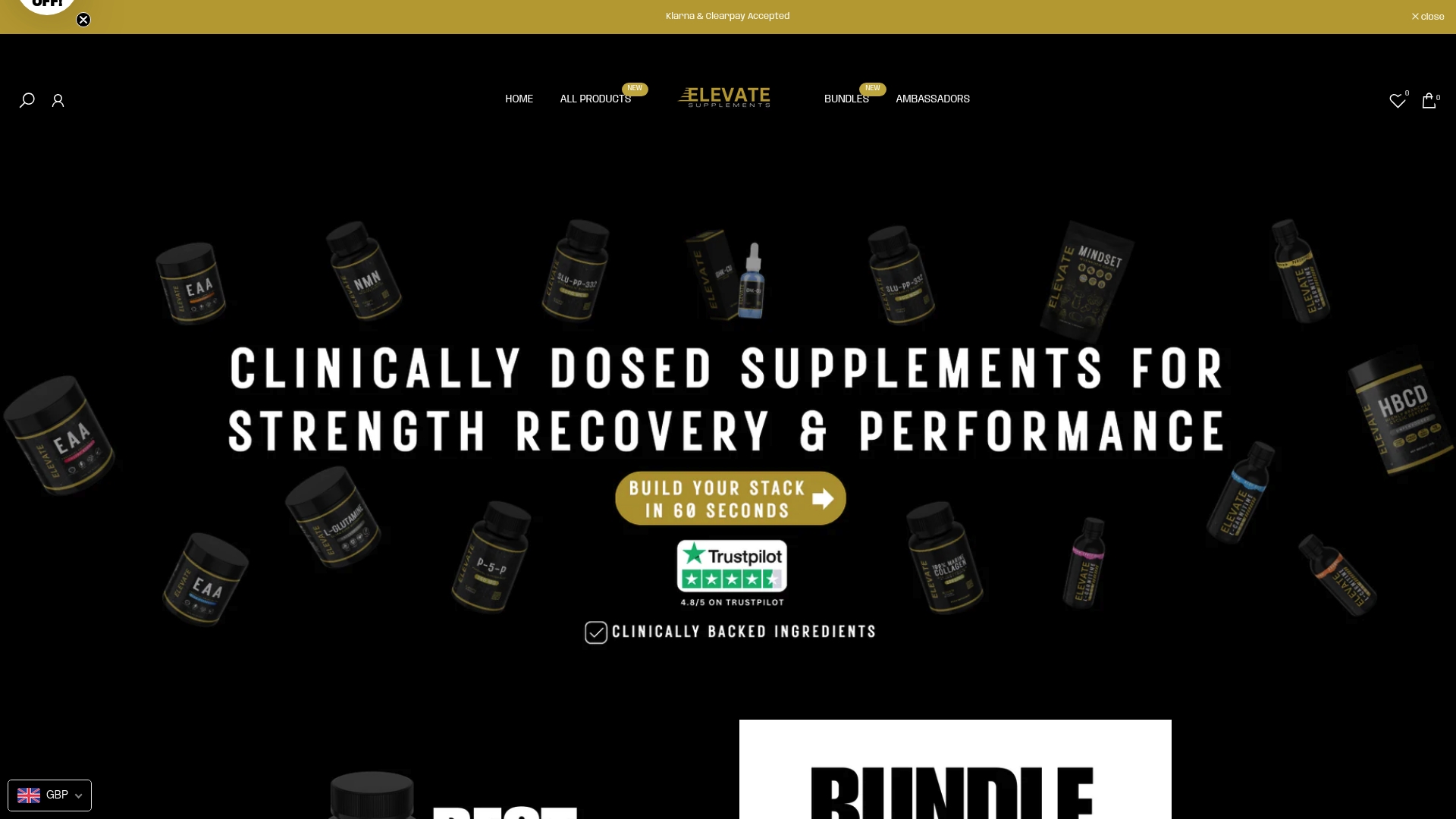
Beyond collagen, Elevate Supplements provides vitamin C supplements to enhance your collagen synthesis, creating a comprehensive approach to skin and joint support. Their product range extends to complementary supplements supporting overall wellness, from amino acids to joint-specific formulations. When you’re ready to begin your collagen supplementation journey, explore the full catalogue at Elevate Supplements to find products aligned with your health goals and backed by quality assurance you can trust.
Frequently asked questions
How long does it take to see results from collagen supplements?
Most users notice improvements after 8-12 weeks of consistent daily supplementation. Skin changes like increased hydration and reduced fine lines typically appear within 8 weeks, whilst joint benefits may require 12 weeks or longer. Results vary significantly based on individual factors, supplement quality, dosage, and baseline collagen levels. Patience and consistency are essential, as collagen remodelling occurs gradually through cumulative peptide supply and cellular activity.
What are the best collagen sources for skin and joint health?
Marine and bovine collagen (Type I and III) work best for skin health due to their small peptide sizes and high bioavailability. Marine collagen offers superior absorption for skin-specific benefits, whilst bovine provides broader support including gut and muscle tissue. For joint health, chicken-derived Type II collagen directly targets cartilage repair and contains beneficial compounds like chondroitin. Match your supplement source to your primary goal for optimal results.
Can I take collagen supplements if I have allergies or health conditions?
Check supplement sources carefully, as marine collagen poses risks for fish allergies, bovine for beef sensitivities, and chicken for poultry reactions. Consult your healthcare provider before starting collagen supplements if you’re pregnant, breastfeeding, or managing kidney disease, liver conditions, or calcium disorders. Follow supplement safety guidelines and disclose all supplements to your doctor, especially if taking medications like blood thinners that may interact with high protein intake.
Do collagen supplements really work or is it just marketing hype?
Evidence is mixed. Industry-funded studies show benefits for skin elasticity and joint pain, but independent research often finds modest or null effects. Individual responses vary significantly based on genetics, diet, and lifestyle factors. Collagen supplements may offer genuine benefits for some people, particularly when combined with vitamin C and consistent use over 8-12 weeks. However, they’re not miracle solutions and work best as part of comprehensive skin and joint care including proper nutrition, hydration, and exercise. Manage expectations and assess your personal response objectively.
Recommended
- Why supplement with joint support for peak performance – ElevateSupplements
- Supplement safety tips 2026: expert advice for UK users – ElevateSupplements
- Recovery supplements to boost muscle repair in 2026 – ElevateSupplements
- 6 Best Supplements for Muscle Recovery: Athlete’s Guide – ElevateSupplements


