


Starting your fitness journey can feel overwhelming when faced with endless supplement options. You don’t need dozens of products. Five evidence-backed supplements cover muscle building, recovery, joint health, and immunity effectively. This guide shows you exactly which supplements work, how to use them safely, and what to look for when shopping in the UK and Ireland market.
Table of Contents
- How to Choose Essential Supplements (Selection Criteria)
- Protein Powders: Foundation for Muscle Support
- Creatine: Boosting Strength and Power Safely
- Omega-3 Fatty Acids: Recovery and Joint Health
- Vitamin D and Multivitamins: Filling Nutritional Gaps
- Additional Starter Supplements: Collagen, HMB, and Cautions on Fat Burners
- Comparing Essential Supplements: Overview Table
- Which Supplements Are Right for Your Fitness Goals? (Situational Recommendations)
- Explore High-Quality Supplements at Elevate Supplements
Key Takeaways
| Point | Details |
|---|---|
| Five core supplements | Protein, creatine, omega-3, vitamin D, and multivitamins address most beginner fitness needs effectively. |
| Evidence-based selection | Choose supplements with strong scientific backing, safety certifications, and proven dosing protocols. |
| UK-specific considerations | Vitamin D and omega-3 are especially important due to climate and common dietary gaps in the region. |
| Goal-aligned choices | Match supplements to your objectives: muscle building needs protein and creatine, recovery requires omega-3 and collagen. |
| Avoid fat burners | These products show limited effectiveness and higher risks, making them unsuitable for beginners. |
How to Choose Essential Supplements (Selection Criteria)
Before adding any supplement to your routine, you need clear evaluation criteria. Smart selection prevents wasted money and ensures safety.
Start with scientific evidence. Look for supplements with peer-reviewed research showing real benefits. Your fitness goals matter too. Building muscle requires different support than improving joint health or boosting immunity.
UK and Ireland residents face specific nutritional challenges. Low sunlight during winter months creates widespread vitamin D deficiency. Cold, damp weather can stress joints during outdoor training. Your supplement choices should address these regional needs.
Product quality separates effective supplements from dangerous ones. Trusted certifications such as Informed-Sport ensure product safety and banned substance-free status. These third-party tests verify what’s on the label matches what’s in the container.
Consider these practical factors:
- Price and accessibility in UK retailers
- Ease of use and daily convenience
- Clear dosing instructions for beginners
- Minimal side effects when used correctly
Pro Tip: Start with one or two supplements rather than five at once. This approach helps you identify what works for your body and prevents unnecessary spending on products you won’t use consistently.
Diet quality influences supplement effectiveness. If you’re eating well-balanced meals, some supplements become less critical. Understanding vitamin benefits in your specific context helps you fill actual gaps rather than duplicating what food already provides.
Protein Powders: Foundation for Muscle Support
Protein powder ranks as the most versatile supplement for beginners. Your muscles need amino acids to repair and grow after training.
Whey protein dominates the market for good reasons. It digests quickly and contains all essential amino acids in optimal ratios. Protein supplementation improves muscle recovery and synthesis effectively when consumed within 30 minutes post-exercise. This timing window maximizes your body’s ability to use those amino acids.
A single serving of 20 to 25 grams triggers maximum muscle protein synthesis. More isn’t better. Your body can only process so much protein at once.
UK pricing makes whey protein accessible. Quality products cost £20 to £30 per kilogram, delivering 30 to 40 servings. That’s roughly 50 to 75 pence per serving, cheaper than a protein-rich meal.
Third-party certification matters enormously. Look for Informed-Sport or BSCG labels on the tub. These stamps guarantee the product contains what it claims without contaminants or banned substances.
Plant-based proteins like pea or rice work for vegetarians but have limitations. They provide slightly lower bioavailability, meaning your body absorbs fewer amino acids per gram. Combining multiple plant sources improves amino acid profiles.
Pro Tip: Mix protein powder with water immediately after training for fastest absorption. If you prefer milk, use it post-workout when you need calories and aren’t watching your weight.
Whey comes in three main forms: concentrate, isolate, and hydrolysate. Concentrate costs less but contains small amounts of lactose and fat. Isolate removes these, creating nearly pure protein. Hydrolysate pre-digests protein for even faster absorption but costs significantly more.
For the latest supplement news and updates, stay informed about product recalls or new research affecting your choices.
Creatine: Boosting Strength and Power Safely
Creatine monohydrate stands as the most researched sports supplement ever studied. Hundreds of trials confirm its effectiveness and safety.

Your muscles store creatine as phosphocreatine, which fuels explosive movements. Supplementing increases these stores by 20 to 40%, directly improving power output. Creatine monohydrate improves strength by 5 to 15% within weeks of supplementation. That translates to lifting heavier weights or performing more reps.
Dosing couldn’t be simpler. Take 3 to 5 grams daily with water. Some protocols suggest a loading phase of 20 grams daily for five days, then dropping to maintenance. Research shows loading works faster, but consistent daily dosing reaches the same endpoint within three to four weeks.
Timing doesn’t matter much with creatine. Unlike protein, you can take it morning, noon, or night. Consistency matters more than timing.
Hydration becomes crucial when supplementing creatine. Your muscles pull water into cells as they store more creatine. Drink an extra glass or two of water daily to prevent cramping or dehydration.
Pro Tip: Mix creatine into your post-workout protein shake. The carbohydrates and protein in your shake may improve creatine absorption slightly, though the effect is modest.
UK availability includes top brands at reasonable prices. A 250-gram container costs £8 to £15 and lasts two to three months. That’s pennies per day for measurable strength gains.
Creatine monohydrate remains the gold standard. Fancy versions like creatine ethyl ester or buffered creatine cost more but show no additional benefits. Stick with the proven, affordable option.
Safety concerns about kidney damage have been thoroughly debunked in healthy individuals. Decades of research confirm creatine’s safety when used at recommended doses. If you have existing kidney issues, consult a doctor before starting any supplement.
When choosing supplements for strength, creatine should top your list after protein.
Omega-3 Fatty Acids: Recovery and Joint Health
Omega-3 fatty acids deserve attention from every beginner, not just those with joint pain. These essential fats reduce inflammation throughout your body.
Fish oil supplements provide EPA and DHA, the two most beneficial omega-3 forms. Omega-3 fatty acid supplementation supports joint health and reduces exercise-induced inflammation, aiding recovery. This anti-inflammatory effect helps you recover faster between training sessions.
Your body struggles to produce omega-3s from plant sources. Fish oil-derived EPA and DHA has 60 to 70% higher bioavailability versus plant-based ALA, making it more effective. If you eat fatty fish like salmon twice weekly, you may get enough. Most people don’t.
Recommended dosing ranges from 1 to 3 grams of combined EPA and DHA daily. Read labels carefully. A 1000mg fish oil capsule might contain only 300mg of actual EPA and DHA.
UK and Ireland climates make omega-3s particularly valuable. Cold, damp weather increases joint stress during outdoor activities. Winter darkness often reduces activity levels, allowing inflammation to build.
Pro Tip: Take fish oil with meals containing fat. This improves absorption and reduces fishy aftertaste or burps that some people experience.
Quality matters significantly with fish oil. Look for products tested for mercury, PCBs, and other contaminants. Molecular distillation removes these toxins while preserving beneficial omega-3s.
Vegetarians can use algae-based omega-3 supplements. These provide EPA and DHA without fish, though they cost more per dose. Flaxseed oil contains ALA but won’t provide the same benefits as EPA and DHA.
Omega-3s synergize with vitamin D, our next essential supplement. Together they support immune function, bone health, and mood regulation during low-sunlight months.
Learn more about omega-3 benefits for athletes and recovery protocols.
Vitamin D and Multivitamins: Filling Nutritional Gaps
Micronutrient deficiencies silently undermine fitness progress. You won’t notice them immediately, but over months they impair recovery, immunity, and energy.
Vitamin D deficiency affects a shocking number of UK residents. Around 40% of UK adults have insufficient vitamin D, needing 10 to 20 micrograms daily for health benefits. Your skin produces vitamin D from sunlight, but British weather limits this from October through March.
Low vitamin D weakens bones, impairs muscle function, and compromises immune response. Athletes with adequate vitamin D levels show better strength and power output than deficient counterparts.
Supplementing 10 to 20 micrograms daily addresses this gap safely. Higher doses around 25 micrograms may benefit people who rarely see sun or have darker skin that produces vitamin D less efficiently.
Multivitamins serve as nutritional insurance. Even healthy eaters have dietary blind spots. Multivitamin supplementation can modestly improve energy levels and immune function depending on existing diet quality.
Choose multivitamins formulated for active individuals. These typically include higher B-vitamin levels supporting energy metabolism and antioxidants combating exercise-induced oxidative stress.
Key nutrients to verify in your multivitamin:
- B-complex vitamins for energy production
- Vitamin C and E as antioxidants
- Zinc and magnesium for immune and muscle function
- Iron if you’re female or follow plant-based diets
Quality varies enormously among multivitamins. Cheap products use poorly absorbed forms of minerals. Premium options cost more but provide nutrients your body actually uses.
Certification matters here too. Look for products tested by Informed-Sport or similar bodies. This ensures no banned substances contaminate your multivitamin.
Timing affects absorption. Take multivitamins with food to improve nutrient uptake and reduce stomach upset. Fat-soluble vitamins like A, D, E, and K absorb best with dietary fat.
Understanding vitamin supplement advantages specific to UK fitness enthusiasts helps you select appropriate formulations.
Additional Starter Supplements: Collagen, HMB, and Cautions on Fat Burners
Beyond the five essentials, a few supplements offer targeted benefits worth considering once you’ve established your foundation.
Collagen supports joint integrity and skin elasticity. As you age, collagen production naturally declines. Collagen supplementation at 2.5 to 5 grams daily improves joint and skin health after 8 to 12 weeks. This timeline requires patience, but results accumulate over months.
Collagen comes as powder or capsules. Powder mixes easily into coffee or smoothies without affecting taste. Types I and III collagen benefit skin and joints most effectively.
HMB, or beta-hydroxy beta-methylbutyrate, reduces muscle damage and soreness. HMB can reduce muscle damage and soreness in beginners, improving recovery with 1.5 to 3 grams daily doses. New exercisers benefit most because their muscles adapt to unfamiliar stress.
HMB costs more than other supplements and provides modest benefits. Consider it once you’ve maximized protein, creatine, and omega-3 intake.
Pro Tip: Take collagen and HMB consistently for at least eight weeks before judging effectiveness. These supplements work gradually rather than immediately.
Fat burners deserve special caution. Marketing promises dramatic weight loss, but science tells a different story. Fat burners show less than 5% weight loss benefit and carry higher risk of side effects for beginners.
Most fat burners contain stimulants like caffeine at high doses. Side effects include anxiety, insomnia, elevated heart rate, and digestive issues. The modest fat loss they might produce disappears once you stop taking them.
Weight management depends on nutrition and activity, not supplements. Save your money and focus on the proven essentials.
When exploring multiple supplements, learn about safe supplement stacking to avoid interactions or excessive dosing.
This comparison clarifies key differences:
| Supplement | Daily Dose | Primary Benefit | UK Price Range | Key Note |
|---|---|---|---|---|
| Collagen | 2.5-5g | Joint and skin health | £15-25/month | Requires 8-12 weeks |
| HMB | 1.5-3g | Reduces muscle soreness | £20-30/month | Most effective for beginners |
| Fat Burners | Varies | Minimal weight loss | £25-40/month | NOT recommended, high risk |
Comparing Essential Supplements: Overview Table
This table summarizes everything covered so far, helping you make quick comparisons and informed decisions.
| Supplement | Daily Dose | Primary Benefits | UK Price Range | Certification Priority |
|---|---|---|---|---|
| Whey Protein | 20-25g | Muscle recovery and growth | £20-30/kg | High: check Informed-Sport |
| Creatine Monohydrate | 3-5g | Strength and power output | £8-15/250g | Medium: generally safe |
| Omega-3 Fish Oil | 1-3g EPA/DHA | Joint health, reduces inflammation | £10-20/month | High: test for contaminants |
| Vitamin D | 10-20mcg | Bone and immune health | £5-10/month | Low: widely available |
| Multivitamin | 1 tablet | Fills dietary gaps, energy support | £8-15/month | Medium: check for banned substances |
| Collagen | 2.5-5g | Joint and skin support | £15-25/month | Low: minimal risk |
| HMB | 1.5-3g | Reduces muscle damage | £20-30/month | Medium: verify purity |
Protein and creatine deliver the biggest bang for your buck. They cost little and produce measurable results within weeks. Omega-3 and vitamin D address common UK deficiencies that undermine health and performance.
Multivitamins provide broader coverage but show subtler effects. You might not feel different day to day, but over months they support consistent training and recovery.
Collagen and HMB occupy a secondary tier. Add them after mastering the essentials and establishing consistent supplementation habits.
This table reflects UK market pricing as of 2026. Prices fluctuate based on brand, quality, and retailer promotions. Always compare cost per serving rather than package price.
Which Supplements Are Right for Your Fitness Goals? (Situational Recommendations)
Your personal goals determine which supplements matter most. Generic advice wastes money on products you don’t need.
For muscle building, prioritize protein and creatine. These two supplements directly support muscle protein synthesis and strength gains. Take 20 to 25 grams of protein after each training session. Add 3 to 5 grams of creatine daily regardless of training schedule.
Recovery and joint support demand omega-3 fatty acids and collagen. If you train frequently or experience joint discomfort, these become essential rather than optional. Omega-3s reduce systemic inflammation, while collagen provides raw materials for joint repair.
Immune health and general wellness rely on vitamin D and multivitamins. UK residents training through winter face particular risk of illness due to vitamin D deficiency and increased indoor exposure to pathogens. Consistent supplementation reduces sick days that interrupt training.
Weight management should focus first on nutrition and exercise habits. Fat burners won’t compensate for poor diet or inconsistent training. If you’ve optimized these fundamentals and still want support, consider protein powder to increase satiety while controlling calories.
Key recommendations by goal:
- Muscle building: Whey protein, creatine, vitamin D
- Endurance training: Omega-3, vitamin D, multivitamin
- Joint health: Omega-3, collagen, vitamin D
- General fitness: Protein, vitamin D, multivitamin
- Recovery focus: Omega-3, protein, HMB
Budget constraints require prioritization. Start with protein if you can only afford one supplement. Add creatine second for strength goals or omega-3 for recovery and joint support. Vitamin D comes third for UK residents.
You can always expand your supplement routine later. Beginning with one or two prevents overwhelm and lets you assess individual effectiveness.
When choosing supplements by fitness goals, focus on what you’ll actually use consistently rather than building an elaborate supplement collection.
Explore High-Quality Supplements at Elevate Supplements
Now that you understand which supplements work and why, finding trusted sources matters.
Elevate Supplements offers UK-certified products meeting the quality standards discussed throughout this guide. Every product undergoes rigorous testing to ensure purity, potency, and safety. You’ll find quality whey protein formulated specifically for UK athletes, pure creatine monohydrate at competitive pricing, and trusted multivitamin supplements addressing common nutritional gaps.
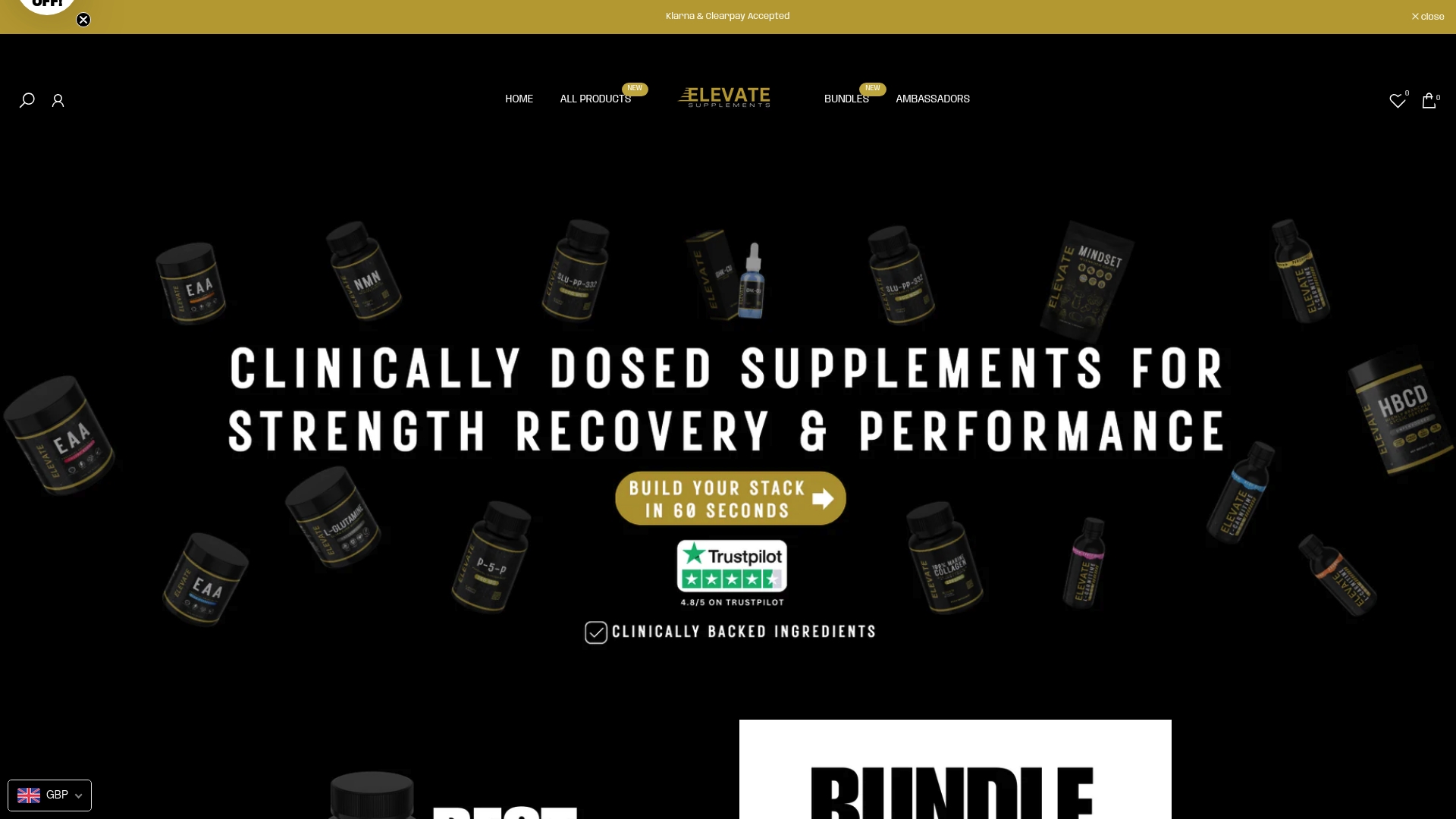
Fast delivery across UK and Ireland means you won’t wait weeks for orders. Free shipping on purchases over £100 makes stocking up economical. The website provides transparent ingredient lists, dosing instructions, and third-party test results so you can verify exactly what you’re buying. Customer support operates 24/7 to answer questions about product selection or usage.
Starting your supplement journey with certified, tested products eliminates the guesswork and risk associated with unknown brands.
Frequently Asked Questions
What is the safest way for beginners to start supplements?
Begin with one or two supplements rather than five simultaneously. This approach lets you monitor how your body responds to each product. Choose certified products displaying Informed-Sport or similar labels. Follow dosing instructions precisely and never exceed recommended amounts. Consult a healthcare professional if you take medications or have existing health conditions. Track your progress and any side effects in a simple log. When starting supplements safely, patience and consistency matter more than aggressive dosing.
When should I take protein and creatine for best results?
Protein is most effective when consumed within 30 minutes post-exercise; creatine is effective with consistent daily intake. Take 20 to 25 grams of protein immediately after training to maximize muscle protein synthesis during the recovery window. Creatine timing matters less than consistency. Take your 3 to 5 grams daily at whatever time fits your routine. Some people prefer post-workout to link it with their protein shake. Others take it with breakfast for consistency. Both approaches work equally well over time.
Are fat burner supplements recommended for beginners?
Fat burners show limited weight loss benefits under 5% and carry higher side effect risks for beginners. Most contain high caffeine doses causing anxiety, sleep disruption, and elevated heart rate. Any weight lost returns quickly after stopping the supplement. Focus instead on sustainable nutrition habits and regular exercise. Protein powder supports weight management more effectively by increasing satiety and preserving muscle during calorie deficits. Save your money and avoid the risks.
How do I ensure the supplements I buy in the UK are safe and certified?
Certifications like Informed-Sport and BSCG require rigorous testing ensuring product purity and compliance. Look for these labels prominently displayed on product packaging or websites. Purchase from established UK retailers with transparent batch testing policies. Avoid unknown brands selling exclusively through social media or websites lacking contact information. Read customer reviews on independent platforms rather than only the seller’s website. Verify the company provides certificates of analysis for recent batches. When choosing certified supplements, invest a few extra minutes researching the brand to protect your health and training goals.
Recommended
- 7 Proven Vitamin Supplement Advantages for UK Fitness Fans – ElevateSupplements
- How to Choose Supplements for Peak Performance Results – ElevateSupplements
- 6 Best Supplements for Muscle Recovery: Athlete’s Guide – ElevateSupplements
- How to Stack Supplements Safely for Maximum Results – ElevateSupplements


