


Finding the right supplement for your training can feel overwhelming with so many options promising better results. Fitness enthusiasts across the UK and Ireland recognise that what truly matters is how well a product suits your unique body, goals, and routine. Backed by research, understanding your own dietary habits and health status is the foundation for safe and effective supplementation. This guide focuses on helping you pinpoint your real needs, compare product quality, and make choices that match both your ambitions and busy lifestyle.
Table of Contents
- Step 1: Assess Personal Performance And Wellness Needs
- Step 2: Identify Suitable Supplement Categories
- Step 3: Compare Product Quality And Efficacy
- Step 4: Verify Safety And Ingredient Transparency
- Step 5: Confirm Suitability With Professional Advice
Quick Summary
| Key Point | Explanation |
|---|---|
| 1. Assess your performance and health needs | Evaluate your fitness level and health conditions before investing in supplements to ensure they align with your goals. |
| 2. Identify relevant supplement categories | Choose supplements based on your primary goals, such as muscle gain, recovery, or endurance, to maximise effectiveness. |
| 3. Compare product quality carefully | Check ingredient labels, assess active amounts, and look for third-party certifications to ensure you are purchasing high-quality supplements. |
| 4. Verify safety and ingredient transparency | Ensure full disclosure of ingredients and potential contaminants to protect against unsafe or mislabelled products. |
| 5. Seek professional guidance | Consult a healthcare professional to confirm that your supplement choices are safe and appropriate for your individual health needs. |
Step 1: Assess personal performance and wellness needs
Before you spend money on supplements, you need to understand what your body actually requires. This step involves honestly evaluating your current fitness level, identifying specific performance goals, and recognising any underlying health conditions that might affect supplement choices.
Start by documenting your current fitness routine and performance metrics. Write down how many times per week you train, what type of exercise you do, and what results you’re currently achieving. Are you training for strength gains, endurance, muscle recovery, or general wellness? Your answer shapes everything that follows.
Next, assess your dietary habits. Most fitness enthusiasts in the UK and Ireland overlook how much their diet already contributes to performance. Track your protein intake for a few days, note your energy levels throughout training, and observe how quickly you recover. Research shows that understanding individual dietary practices and motivations for supplement use is essential for safe, effective supplementation.
Consider your specific health circumstances:
- Any existing medical conditions or injuries
- Current medications that might interact with supplements
- Allergies or dietary restrictions
- Hormonal factors (particularly relevant for female athletes assessing physiological factors affecting performance)
- Sleep quality and stress levels
These factors directly influence which supplements will actually work for you and which might cause problems.
Identify your primary performance goal. Is it building muscle mass, improving endurance, speeding recovery, boosting energy, or enhancing mental focus? Most athletes benefit from addressing multiple areas, but narrowing down your top 2-3 priorities prevents unnecessary spending and supplement stacking without purpose.
Your supplement strategy only works when it aligns with your actual fitness needs, training style, and health status.
Write down any specific performance gaps you’ve noticed. Maybe you hit a strength plateau, fatigue mid-workout, or take too long to recover between sessions. These pain points guide which supplements deserve your attention.
Pro tip: Create a simple one-page assessment document listing your training style, current diet highlights, performance goals, and any health considerations, then review it before exploring supplement options to ensure you’re solving real problems rather than chasing trends.
Step 2: Identify suitable supplement categories
Not all supplements serve the same purpose, and understanding the main categories helps you narrow down what actually matters for your goals. Rather than browsing randomly, you’ll learn to recognise which supplement types address specific performance needs based on your sport and training style.
Supplements fall into several broad categories. Macronutrient supplements like protein powders support muscle building and recovery. Performance enhancers such as creatine and caffeine boost power output and focus during training. Recovery aids including amino acids and specialised formulations help your body repair faster between sessions. Categories of supplements for athletic performance vary in efficacy depending on your sport type and individual response.
Match categories to your primary goal:
- Building muscle mass: prioritise protein and amino acids
- Improving endurance: consider beetroot juice, beta-alanine, or caffeine
- Speeding recovery: amino acids, collagen, and probiotics
- Boosting energy and focus: caffeine, B-vitamins, or creatine
- Joint and bone health: collagen, glucosamine, or specialised support formulations
Consider your training timeline too. Pre-workout supplements work best consumed 30 to 60 minutes before exercise, whilst post-workout recovery aids perform optimally within 2 hours after training finishes. Timing of supplement use maximises athletic benefits based on your training schedule.
Don’t overthink this stage. Most fitness enthusiasts benefit from addressing one or two categories initially rather than loading up on everything at once. A strength athlete might start with protein and creatine. A runner might begin with caffeine and amino acids.
Start with supplement categories matching your actual performance gaps, not trendy products everyone else uses.
Write down which categories align with your goals from Step 1. If you identified slow recovery as a problem, recovery aids become your focus. If strength plateaued, performance enhancers deserve attention. This focused approach prevents wasting money on supplements you don’t actually need.
To help you select the right supplement category for your fitness needs, here’s a quick reference table summarising typical goals, matching supplement types, and their key benefits:
| Performance Goal | Supplement Type | Primary Benefit |
|---|---|---|
| Muscle mass | Protein powder | Supports muscle growth |
| Endurance | Beta-alanine | Delays fatigue |
| Recovery | Amino acids | Accelerates repair |
| Energy & focus | Caffeine | Boosts alertness |
| Joint health | Collagen | Maintains joint strength |
Pro tip: Research how your chosen supplement categories interact with your current diet and training schedule before purchasing, as timing and existing nutrient intake dramatically influence whether you’ll actually notice results.
Step 3: Compare product quality and efficacy
Not all supplements delivering the same ingredient amount are created equal. Quality varies dramatically between brands, and understanding how to compare products ensures you’re actually getting what you pay for rather than wasting money on inferior formulations.
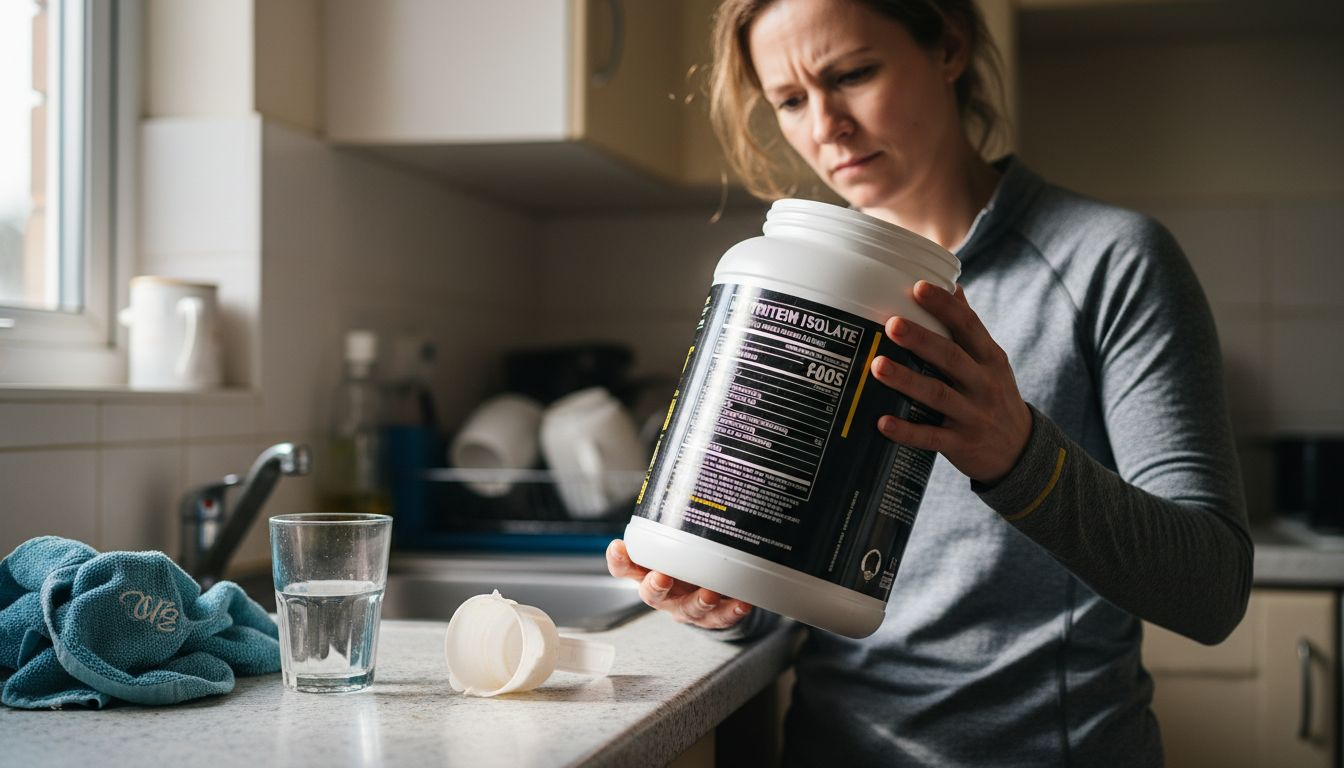
Start by checking the ingredient label carefully. Look for the active ingredient amount listed per serving, not just the product name. Two protein powders might both claim quality, but one delivers 25 grams of protein per scoop whilst the other delivers only 18 grams. The difference compounds over months of use.
Examine the ingredient list for unnecessary fillers and additives. Quality products contain fewer ingredients doing more work. If your recovery supplement lists 15 additives but minimal actual amino acids, you’re paying for filler. Premium formulations prioritise active compounds over padding.
Research shows significant variability in supplement quality affects results. Commercial protein supplements vary considerably in amino acid content and digestibility, meaning identical servings deliver different nutritional value depending on the brand.
Check for third-party testing certifications:
- Informed Sport certification (tests for banned substances)
- NSF Certified for Sport
- USP (United States Pharmacopeial Convention) verification
- Third-party laboratory analysis results
These certifications confirm the product contains what the label claims and is free from contamination or banned ingredients.
Compare dosing protocols too. Product efficacy depends partly on dosing schedules and individual responses, so verify recommended serving sizes match research-backed guidance. A supplement requiring three servings daily might deliver results whilst one requiring six might not be worth the cost.
Read customer reviews strategically. Look for patterns rather than individual opinions. If dozens of users report no noticeable effect whilst others praise results, quality inconsistency might be the culprit.
Quality differences between brands selling similar products often explain why one works and another disappoints.
Compare price per serving, not total price. An expensive product used sparingly might cost less per dose than a cheap alternative requiring larger servings.
Here is a comparison table outlining criteria used to assess supplement quality, helping you make more informed purchasing decisions:
| Quality Factor | Why It Matters | Example Check |
|---|---|---|
| Active ingredients | Indicates effectiveness | Protein per serving |
| Additives & fillers | Impacts purity and safety | Minimal extra ingredients |
| Certifications | Ensures verified safety | Informed Sport label |
| Price per dose | Reflects value for money | Cost for each use |
Pro tip: Cross-reference your chosen product’s ingredient list against research studies on that supplement type, ensuring the dose matches what actually produced results in clinical trials rather than relying solely on marketing claims.
Step 4: Verify safety and ingredient transparency
Before purchasing any supplement, you need confidence that what’s inside the bottle matches the label and won’t harm you. Transparency about ingredients and proven safety protocols separate trustworthy brands from those cutting corners or hiding information.
Start by examining the full ingredient list on the label. Legitimate brands list every ingredient with exact quantities, not vague proprietary blends hiding actual amounts. If a label says “Performance Blend 500mg” without specifying what’s in it, you cannot verify whether you’re receiving therapeutic doses or filler.
Look for potential contaminants or banned substances, especially if you compete in sports. Research reveals widespread ingredient mislabelling and contamination issues in supplements, with some products containing prohibited substances not listed on labels. Third-party testing becomes essential protection.
Verify that manufacturers have established safety data:
- Clinical studies supporting the ingredient
- Toxicological data confirming safe doses
- Batch testing certificates of analysis
- Expiry dates and storage instructions
- Manufacturing facility certifications
Check the company’s transparency about sourcing. Quality manufacturers disclose where ingredients come from and how they’re processed. Vague sourcing claims often indicate cut-rate production standards.
Search for the company’s safety protocols online. Responsible manufacturers publish FDA regulatory compliance information and adverse event monitoring processes. If you cannot find this information, the company may not prioritise consumer safety.
Read ingredient labels like a detective. Cross-reference each ingredient against independent research databases. If something listed seems unusual or you’ve never heard of it, investigate before buying. Your local pharmacist or sports nutritionist can help clarify unfamiliar compounds.
Check customer feedback strategically. Search for reports of adverse reactions or unexpected side effects. Patterns of complaints about nausea, headaches, or other issues warrant caution.
Transparency about ingredients and safety data isn’t optional—it’s your only protection against contaminated or mislabelled products.
Note any allergen warnings carefully. Cross-contamination during manufacturing happens regularly, so if you have severe allergies, contact manufacturers directly to confirm their protocols.
Pro tip: Before your first purchase, contact the supplement company’s customer service with specific questions about testing, sourcing, and safety data; responsive companies answer promptly, whilst those avoiding questions deserve your scepticism.
Step 5: Confirm suitability with professional advice
Even after thorough research, consulting a healthcare professional ensures your supplement choices won’t conflict with existing medications, health conditions, or training adaptations. Professional guidance transforms educated guessing into personalised strategy backed by medical expertise.
Schedule a consultation with your GP or sports nutritionist before starting supplements. Bring your list of chosen supplements, including dosages and timing. Discuss your training goals, current diet, and any existing health conditions or medications. This conversation takes 15 to 30 minutes and prevents costly mistakes.
Your healthcare provider can identify potential drug interactions you might miss. Some supplements interfere with blood pressure medications, blood thinners, or hormonal contraceptives. Others reduce the efficacy of common drugs like statins or antidepressants. Professional knowledge catches these issues before they cause problems.
Discuss any underlying health conditions affecting supplement suitability:
- Liver or kidney disease
- Heart conditions or hypertension
- Diabetes or blood sugar management issues
- Pregnancy or breastfeeding
- Autoimmune or inflammatory conditions
- Upcoming surgery
These factors significantly influence which supplements are safe and which require adjustment or avoidance.
Ask your healthcare professional for evidence-based recommendations. Professional guidance ensures supplement suitability based on individual health status and scientific evidence for efficacy and safety. Your GP can direct you towards supplements with strong research backing versus those lacking support.
Consult sports-specific professionals if you compete seriously. Registered sports dietitians understand anti-doping regulations and can recommend supplements compliant with your sport’s rules. This prevents accidental rule violations from banned substances in poorly vetted products.
Request written guidance or follow-up resources. Quality healthcare providers offer printed recommendations or reliable sources like evidence-based supplement information for ongoing reference. This documentation helps you remember discussions and track changes over time.
Professional advice transforms supplement selection from guesswork into a personalised plan aligned with your actual health needs.
Schedule follow-up conversations after 4 to 6 weeks. Discuss whether you’ve noticed expected benefits, experienced side effects, or need adjustments. Supplement suitability sometimes requires tweaking based on real-world results.
Pro tip: Before your appointment, compile a detailed list of all current medications, supplements, and health conditions in writing, then bring this document to your consultation so the healthcare professional has complete information for safe recommendations.
Unlock Your Peak Performance with Expert-Selected Supplements
Choosing the right supplements can be overwhelming when trying to address specific performance gaps like slow recovery, energy drops, or muscle gain plateaus. This article highlights how crucial it is to assess your personal fitness needs, understand supplement categories, and prioritise quality and safety. At Elevate Supplements, we simplify this challenge by offering a premium range designed to match your unique goals such as muscle building, endurance, and cognitive focus.
Discover our expertly curated selection in the ALL ELEVATE PRODUCTS – ElevateSupplements / Elevate Your Supplements collection and enjoy fast, reliable delivery across the UK and Ireland. Act now to optimise your training results with trusted supplements that align with your health profile and performance ambitions. Begin your personalised supplement journey today at Elevate Supplements or use our convenient Quick Order – ElevateSupplements / Elevate Your Supplements page for speedy access to the products you need.
Frequently Asked Questions
How can I assess my personal performance and wellness needs before choosing supplements?
Begin by evaluating your current fitness level, documenting your training routine and goals, and noting any health conditions. Write down your dietary habits, protein intake, and performance metrics to identify potential gaps in your nutrition or fitness that supplements could address.
What are the main supplement categories I should consider for peak performance?
Focus on categorising supplements based on your primary performance goals, such as muscle mass, endurance, recovery speed, energy, and joint health. Select one or two categories that align with your identified performance gaps to maximise effectiveness and avoid unnecessary spending.
How do I compare the quality and efficacy of different supplement products?
Evaluate supplements by checking their ingredient labels for active ingredient amounts and the presence of fillers. Look for reputable third-party testing certifications and compare the price per serving to determine the best value for what you’re purchasing.
What safety checks should I perform before purchasing a supplement?
Thoroughly examine the full ingredient list for transparency and verify that there are no vague proprietary blends. Ensure the manufacturer provides safety data, batch testing results, and confirms the absence of banned substances, especially if you are an athlete.
Why is it important to consult a healthcare professional before starting a supplement regimen?
Consulting a healthcare professional helps identify any potential interactions with medications or health conditions while ensuring that your supplement choices are suitable for your individual needs. Bring a list of your current medications, health conditions, and performance goals to facilitate an informed discussion.
How often should I follow up with my healthcare professional about my supplement use?
Schedule a follow-up appointment within 4 to 6 weeks to evaluate the effectiveness of the supplements and discuss any side effects. Regular check-ins help you adjust your supplement strategy based on real-world results and maintain optimal performance.
Recommended
- Role of Supplements in Wellness: Performance and Recovery – ElevateSupplements
- How to Stack Supplements Safely for Maximum Results – ElevateSupplements
- Role of Supplements in Endurance Performance – ElevateSupplements
- Role of Reviews in Choosing Supplements Wisely – ElevateSupplements
- Supplements for Professionals: Enhancing Focus and Clarity – Cortex Supplements
- Why Supplement Quality Matters for Health-Conscious Adults – Oxyhealth


