


Athletes in the UK and Ireland face overwhelming choices when selecting recovery supplements, with countless products promising enhanced muscle repair and performance gains. Yet many supplements lack clinical backing or proper certification, making it difficult to identify truly effective options. This guide clarifies the essential criteria for choosing recovery supplements and details the top evidence-based products that optimise muscle recovery, reduce soreness, and support your training goals.
Table of Contents
- How To Choose The Right Recovery Supplement: Key Criteria
- Popular Recovery Supplements Explained
- Comparing Top Recovery Supplement Types
- Summary Comparison Table
- Situational Recommendations: Choosing Supplements For Your Unique Needs
- Discover Top Recovery Supplements At ElevateSupplements
- Frequently Asked Questions About Recovery Supplements
Key takeaways
| Point | Details |
|---|---|
| Evidence-based ingredients | Effective recovery supplements contain scientifically validated components like protein, creatine, and electrolytes that directly support muscle repair. |
| UK safety certifications | Informed-Sport certification ensures products meet UK anti-doping standards and are free from contamination. |
| Timing and dosing matter | Consuming supplements within 30 minutes post-exercise maximises muscle protein synthesis and glycogen replenishment. |
| Sport-specific selection | Different athletes benefit from tailored supplement combinations depending on endurance versus strength training demands. |
| Combination approaches | Stacking protein, carbohydrates, and electrolytes delivers superior recovery outcomes across multiple physiological pathways. |
How to choose the right recovery supplement: key criteria
Selecting the right recovery supplement requires evaluating several critical factors to ensure you invest in safe, effective products that align with your athletic needs. The foundation starts with clinically validated ingredients that have proven recovery benefits through peer-reviewed research.
Prioritise supplements containing protein for muscle repair, creatine for energy restoration, electrolytes for hydration balance, and adaptogens for stress management. Quality matters immensely in competitive sports. Some UK athletes face risk from contaminated supplements affecting performance, making third-party certification essential.
Look for products bearing Informed-Sport UK certification, which guarantees rigorous testing for banned substances and contamination. This certification protects your athletic eligibility whilst ensuring product purity. Understanding why choose clean supplements athletic performance helps you avoid compromised products.
Dosing and timing significantly impact recovery outcomes. Consume recovery supplements within 30 minutes after training when your muscles are most receptive to nutrient uptake. Follow manufacturer recommendations for serving sizes, as underdosing reduces effectiveness whilst excessive amounts offer no added benefit.
Match supplements to your specific sport type and recovery goals. Endurance athletes require different formulations than strength athletes, with varying emphasis on carbohydrate replenishment versus protein synthesis. Consider dietary preferences when choosing supplements for performance, particularly if you follow vegetarian or vegan nutrition plans.
Pro Tip: Consistency trumps perfection when using recovery supplements. Regular intake after every training session delivers cumulative benefits that sporadic use cannot match, especially for natural supplements cut recovery time goals.
Popular recovery supplements explained
Whey protein stands as the gold standard for post-exercise muscle repair due to its rapid digestion and exceptionally high leucine content. This branched-chain amino acid triggers muscle protein synthesis, initiating the repair process that strengthens muscle fibres damaged during training. Optimal recovery supplements combine 20g whey protein with carbohydrates for comprehensive recovery support.

Creatine monohydrate delivers powerful benefits beyond initial muscle building, playing a crucial role in recovery by replenishing muscle phosphocreatine stores. Post-workout creatine supplementation restores energy rapidly, enabling faster recovery between training sessions and reducing fatigue accumulation.
Electrolyte blends restore the minerals lost through sweat during intense exercise, particularly sodium, potassium, and magnesium. These minerals regulate fluid balance, prevent cramping, and support nerve function essential for muscle contraction. Proper electrolyte restoration reduces soreness and improves subsequent performance.
Ashwagandha acts as an adaptogen, helping your body manage physical and mental stress imposed by rigorous training. Research shows Ashwagandha reduces cortisol by 23-30% whilst improving aerobic capacity and perceived recovery in competitive athletes. This makes it particularly valuable during high-volume training phases.
Tart cherry extract provides natural anti-inflammatory compounds called anthocyanins that reduce muscle damage markers and delayed onset muscle soreness. Endurance athletes especially benefit from tart cherry supplementation, experiencing less inflammation and faster return to training readiness.
Plant-based proteins offer effective alternatives for vegetarian athletes, with pea and rice proteins supporting muscle repair comparably to whey when consumed in adequate amounts. These options suit athletes avoiding dairy whilst providing complete amino acid profiles for best supplements for muscle recovery naturally.
Comparing top recovery supplement types
Understanding how different supplement types compare helps you make informed decisions aligned with your training demands and recovery priorities. Direct comparisons reveal distinct advantages for specific athletic goals.
Creatine consistently outperforms branched-chain amino acids in clinical trials measuring muscle strength gains and recovery time reduction. Studies demonstrate creatine enhances recovery more than BCAAs in resistance-trained athletes, making it the superior choice for strength-focused training.
Whey protein delivers faster muscle protein synthesis rates compared to plant-based alternatives due to superior digestibility and leucine concentration. However, both protein types prove effective for muscle repair when athletes consume adequate total amounts and distribute intake properly throughout the day.
Carbohydrate-electrolyte blends accelerate glycogen restoration more effectively than protein-only supplements, particularly crucial for endurance athletes performing multiple training sessions daily. The combination approach addresses both energy replenishment and muscle repair simultaneously.
Adaptogens like Ashwagandha complement direct muscle repair supplements by addressing hormonal balance and stress response. This multi-pathway approach optimises recovery across physiological systems rather than targeting muscle tissue alone. Proper supplement quality ensures these combinations work synergistically.
Pro Tip: Combining different supplement types creates comprehensive recovery protocols that address muscle repair, energy restoration, inflammation reduction, and stress management simultaneously. Consider maximizing supplement uptake strategies to enhance absorption.
Summary comparison table
This comprehensive table compares key recovery supplement types across critical decision factors, helping you quickly identify the best option for your specific athletic needs and budget constraints.
| Supplement Type | Typical Dosage | Primary Benefit | Best For | UK Certification | Price Range |
|---|---|---|---|---|---|
| Whey Protein | 20-25g per serving | Muscle repair and protein synthesis | Strength athletes, post-resistance training | Informed-Sport available | £15-35 per kg |
| Creatine Monohydrate | 3-5g daily | Energy restoration, strength gains | Resistance training, power sports | Informed-Sport available | £8-20 per 500g |
| Carb-Electrolyte Blend | 20g carbs + electrolytes | Glycogen replenishment, hydration | Endurance athletes, multiple daily sessions | Informed-Sport available | £12-28 per tub |
| Plant-Based Protein | 20-30g per serving | Muscle repair for vegetarians | Plant-based athletes, dairy-free needs | Informed-Sport available | £18-40 per kg |
| Ashwagandha KSM-66 | 300-600mg daily | Stress reduction, cortisol management | High-stress training periods, overtraining prevention | Third-party tested | £10-25 per month |
| Tart Cherry Extract | 480mg-1000mg daily | Inflammation reduction, soreness relief | Endurance athletes, runners | Third-party tested | £12-30 per month |
Recovery supplements combining whey protein and carbohydrates deliver comprehensive support across muscle repair, energy systems, and immune function, making them versatile choices for most athletes.
Situational recommendations: choosing supplements for your unique needs
Different athletic pursuits demand tailored supplement strategies that address sport-specific recovery challenges and physiological demands. Personalising your approach maximises results.
-
Endurance athletes achieve optimal recovery by combining carbohydrate-electrolyte blends with tart cherry extract. This pairing replenishes depleted glycogen stores whilst reducing the inflammation and muscle damage inherent to long-duration training. Prioritise formulas providing 20g fast-release carbohydrates alongside complete electrolyte profiles.
-
Strength athletes benefit most from stacking whey protein with creatine monohydrate. The protein initiates muscle repair whilst creatine restores phosphocreatine stores essential for explosive movements. Consider the perform and recovery stack designed specifically for power-based training.
-
Vegetarian athletes should select high-quality plant-based protein blends combining pea and rice proteins to ensure complete amino acid profiles. These formulations match whey protein effectiveness when consumed in slightly higher amounts, typically 25-30g per serving.
-
Athletes managing training stress gain significant benefits from Ashwagandha supplementation during high-volume phases or competition preparation. The adaptogen supports hormonal balance and reduces cortisol elevation that can impair recovery and performance.
-
Multi-sport athletes require comprehensive approaches addressing varied demands. Combine protein, carbohydrates, and adaptogens to support diverse recovery needs across different training modalities. Explore how supplements in endurance performance complement strength work.
Pro Tip: Always verify supplements carry Informed-Sport or equivalent UK certification before purchase, especially if you compete in tested sports. This simple step protects your athletic eligibility whilst ensuring product safety and purity.
Discover top recovery supplements at ElevateSupplements
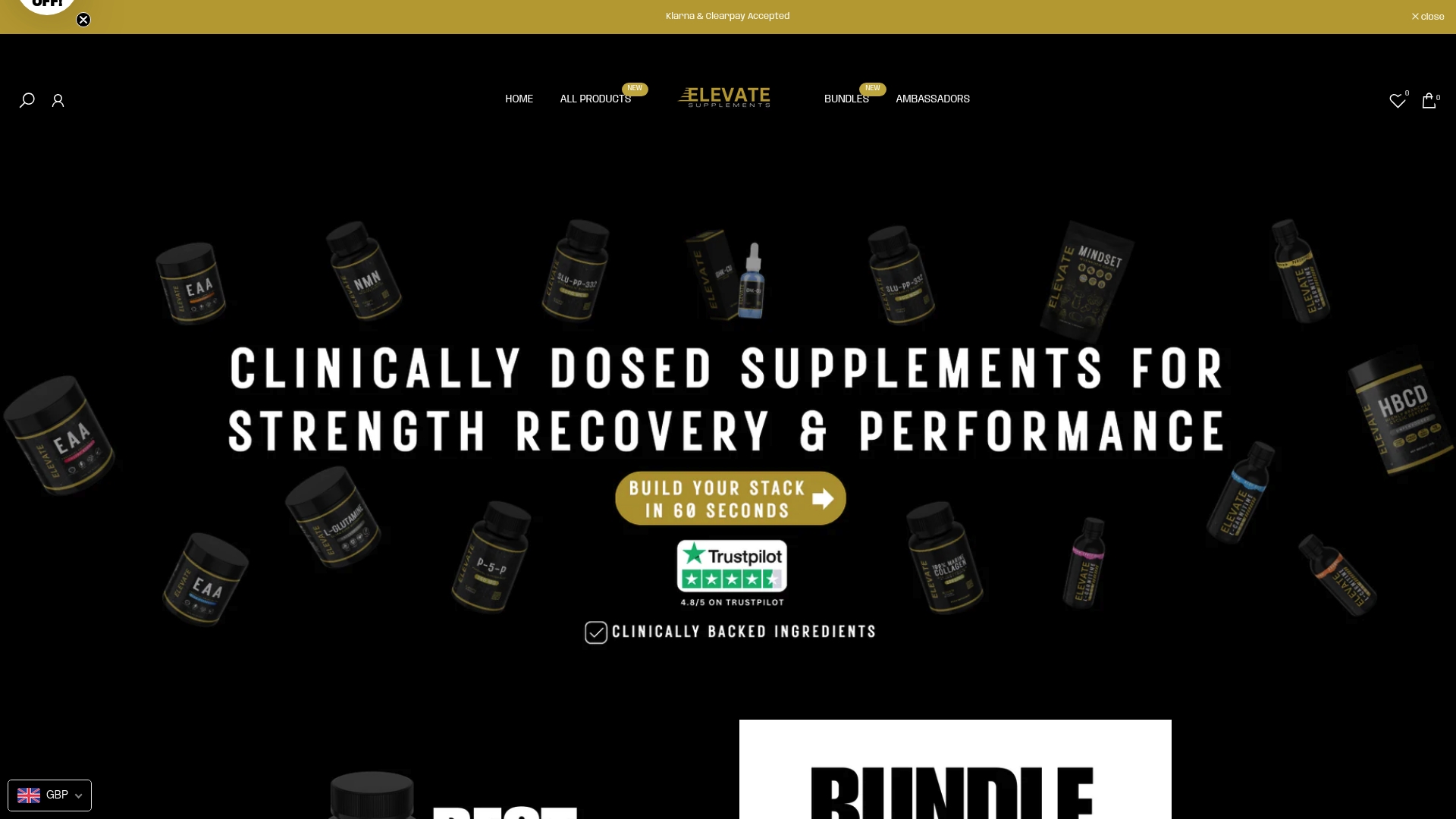
Ready to optimise your recovery with evidence-based supplements? ElevateSupplements offers a carefully curated selection of UK-certified recovery products designed for athletes who demand quality and results.
Our range includes premium whey protein formulations and pharmaceutical-grade creatine monohydrate, all subjected to rigorous quality control testing. Every product meets stringent purity standards, ensuring safety for both competitive and recreational athletes.
Explore our tailored stacks designed to address specific recovery needs, whether you focus on endurance, strength, or hybrid training approaches. We provide fast UK and Ireland delivery, secure checkout, and expert support to help you select the perfect recovery protocol. Free shipping applies to orders over £100, making it easy to stock your supplement cupboard with everything needed for comprehensive recovery support.
Frequently asked questions about recovery supplements
What are the best recovery supplements for muscle soreness?
Tart cherry extract and whey protein combined with electrolytes prove most effective for reducing muscle soreness. Tart cherry provides anti-inflammatory compounds whilst protein initiates muscle repair, addressing soreness from multiple angles.
How soon after exercise should I take recovery supplements?
Consume recovery supplements within 30 minutes post-exercise for optimal results. This timing window maximises muscle protein synthesis and glycogen replenishment when your muscles are most receptive to nutrients.
Are plant-based protein supplements as effective as whey?
Yes, plant-based proteins like pea and rice blends deliver comparable muscle repair benefits to whey when consumed in adequate amounts. Vegetarian athletes should aim for 25-30g per serving to match whey’s effectiveness.
Why is Informed-Sport certification important for athletes?
Informed-Sport certification guarantees supplements are tested for banned substances and contamination, protecting your competitive eligibility. This third-party verification ensures products meet UK anti-doping standards and contain only listed ingredients.
Can adaptogenic supplements like Ashwagandha help with recovery?
Ashwagandha significantly supports recovery by reducing cortisol levels and managing training stress. Research shows it improves perceived recovery scores and aerobic capacity, making it valuable during intense training phases when stress hormones can impair adaptation.
Recommended
- 6 Best Supplements for Muscle Recovery: Athlete’s Guide – ElevateSupplements
- Why sleep support supplements improve recovery by 20% in 2026 – ElevateSupplements
- Natural Supplements Cut Recovery Time by 25%: Full Guide – ElevateSupplements
- Role of Supplements in Wellness: Performance and Recovery – ElevateSupplements


