


Sticking to a demanding fitness routine can leave you facing challenges like sluggish energy, slow muscle recovery, and unexpected dips in your performance. Whether you’re an athlete, gym regular or sports enthusiast, you know that what you eat plays a huge part in how your body feels and functions. Yet finding the right nutrition and supplements for your active lifestyle isn’t always straightforward.
The good news is science-backed nutrients including vitamins, minerals and targeted supplements offer real support. Research shows that essential vitamins and minerals play proven roles in immune defence, energy production and tissue recovery, helping you avoid fatigue and get back to training faster.
In the coming list, you’ll discover practical ways to fill these gaps and gain actionable tips for stronger immunity, rapid muscle repair, sustained energy and injury prevention. Get ready for insights that can help you fine-tune your nutrition plan and take your fitness to new heights.
Table of Contents
- 1. Boost Immune Defence With Essential Vitamins
- 2. Support Muscle Recovery After Intense Training
- 3. Enhance Energy Levels For Daily Performance
- 4. Promote Bone And Joint Health For Longevity
- 5. Aid In Faster Healing And Reduced Fatigue
- 6. Improve Cognitive Focus For Better Workouts
- 7. Fill Key Nutrient Gaps In An Active Lifestyle
Quick Summary
| Key Message | Explanation |
|---|---|
| 1. Prioritise Essential Vitamins for Immunity | Ensure adequate intake of Vitamin C, D, and Zinc to boost immune function and enhance athletic performance. |
| 2. Focus on Nutrition for Muscle Recovery | Consume adequate protein and hydration post-exercise to support muscle repair and prevent injuries. |
| 3. Maintain Energy Levels with Key Nutrients | Incorporate B vitamins, Iron, and Magnesium into your diet to sustain energy throughout the day. |
| 4. Support Bone and Joint Health Early | Take Calcium and Vitamin D to enhance bone density and joint function, especially as you age. |
| 5. Address Nutrient Gaps with Supplements | Use dietary supplements strategically to fill nutritional deficiencies that arise from high physical demands. |
1. Boost Immune Defence with Essential Vitamins
Maintaining a robust immune system is crucial for fitness enthusiasts and athletes who need consistent health and performance. Vitamins play a pivotal role in supporting our body’s natural defence mechanisms and ensuring we can train effectively without interruption.
The human immune system relies on several key nutrients to function optimally, with essential vitamins being fundamental to this intricate defence network. Dietary supplements supporting immune function can provide critical support for maintaining cellular health and protecting against potential infections.
Key benefits of vitamin supplementation for immune defence include:
- Enhancing white blood cell production and activity
- Supporting rapid immune cell response
- Reducing inflammation and oxidative stress
- Promoting faster recovery between intense training sessions
- Helping maintain consistent energy levels
Consistent vitamin intake can significantly strengthen your body’s natural defence mechanisms and support overall athletic performance.
While supplementation is beneficial, it is essential to understand that more is not always better. Research indicates that maintaining adequate vitamin levels matters more than excessive consumption. Your goal should be nutritional balance rather than mega-dosing.
Fitness enthusiasts should focus on key immune-supporting vitamins like Vitamin C, Vitamin D, and Zinc. These nutrients work synergistically to protect against potential respiratory infections and support overall immune resilience.
Pro tip: Integrate a balanced multivitamin supplement into your daily nutrition plan to ensure consistent immune system support and optimal performance.
2. Support Muscle Recovery After Intense Training
Fitness enthusiasts and athletes understand that muscle recovery is as crucial as the workout itself. Proper recovery strategies can dramatically enhance performance and prevent potential injuries.
Nutrition strategies play a critical role in helping muscles repair and rebuild after intense training sessions. Understanding how to optimise your post-exercise recovery can make a significant difference in your fitness journey.
Key elements of effective muscle recovery include:
- Consuming adequate protein for tissue repair
- Maintaining balanced macronutrient intake
- Ensuring proper hydration
- Supporting muscle glycogen replenishment
- Managing inflammation through targeted nutrition
Muscle recovery is not just about rest but strategic nutritional support and targeted supplementation.
Protein intake is particularly critical for muscle repair. During intense training, muscle fibres experience microscopic damage which requires specific nutritional interventions to heal properly. Consuming high-quality protein sources within 30-45 minutes post-exercise can accelerate muscle protein synthesis.
Additionally, certain supplements can support faster muscle recovery. Amino acid supplements like L-Glutamine can help reduce muscle breakdown and support immune function during high-intensity training periods.
Pro tip: Combine a protein shake with fast-absorbing carbohydrates immediately after your workout to jumpstart muscle recovery and replenish energy stores.
3. Enhance Energy Levels for Daily Performance
Every fitness enthusiast knows that consistent energy is the foundation of peak performance. Maintaining optimal energy levels throughout the day requires a strategic approach to nutrition and supplementation.
Vitamins and minerals play a crucial role in supporting metabolic functions and combating daily fatigue. Understanding how specific nutrients contribute to your energy production can transform your daily performance and workout intensity.
Key nutrients that support sustained energy include:
- Vitamin B12 for cellular energy production
- Magnesium to support muscle and nerve function
- Iron for efficient oxygen transportation
- Vitamin D to regulate energy metabolism
- Folic acid for red blood cell formation
Consistent nutrient intake is the secret weapon for maintaining high energy levels throughout your demanding day.
Metabolic efficiency depends on how effectively your body converts food into usable energy. The right combination of vitamins and minerals can significantly enhance your body’s natural energy production mechanisms.
For athletes and active individuals, meeting both caloric and micronutrient needs is essential. Proper nutritional strategies can help prevent energy crashes and support sustained performance during training and daily activities.
Pro tip: Consume a balanced breakfast with protein, complex carbohydrates, and a multivitamin to kickstart your metabolism and maintain consistent energy levels throughout the morning.
4. Promote Bone and Joint Health for Longevity
As fitness enthusiasts age, maintaining robust bone and joint health becomes increasingly critical for sustained performance and overall quality of life. Understanding how targeted nutrition can support your skeletal system is key to long-term athletic success.
Specific nutrients play a crucial role in supporting bone density and joint function. The right combination of supplements can help prevent age-related degeneration and support your body’s structural integrity.
Key nutrients for bone and joint health include:
- Calcium for bone mineral density
- Vitamin D to enhance calcium absorption
- Magnesium to support bone structure
- Omega-3 fatty acids to reduce inflammation
- Collagen for joint tissue maintenance
Proactive nutritional support can significantly impact your body’s long-term mobility and performance potential.
Bone mineral density peaks around age 30, making early nutritional intervention crucial for athletes and fitness enthusiasts. Supplementation can help mitigate the natural decline in bone and joint health that occurs with aging.
Complex nutrients work synergistically to protect your skeletal system. Protein and mineral interactions are particularly important in maintaining strong bones and supporting joint flexibility during intense training.
Pro tip: Consider combining calcium and vitamin D supplements with weight-bearing exercises to maximise bone density and joint resilience.
5. Aid in Faster Healing and Reduced Fatigue
Fitness enthusiasts understand that recovery is just as important as training itself. Reducing fatigue and accelerating healing can significantly impact your overall performance and long-term athletic potential.
Specific vitamins support recovery processes by enhancing metabolic functions and supporting tissue repair mechanisms. Understanding how nutritional interventions can speed up healing is crucial for maintaining consistent training momentum.
Key nutrients that support faster healing and reduced fatigue include:
- Vitamin C for collagen synthesis
- Zinc to support immune function
- B vitamins for energy metabolism
- Magnesium to reduce muscle tension
- Iron for oxygen transportation
Strategic nutritional support can dramatically accelerate your body’s natural healing and recovery processes.
Metabolic efficiency plays a critical role in how quickly your body repairs itself after intense physical activity. Certain micronutrients act as catalysts in cellular repair mechanisms, helping you bounce back faster from workouts and minor injuries.
Immediate post-exercise nutrition is particularly important. Nutrient timing and selection can significantly influence your body’s ability to recover, reduce inflammation, and maintain consistent energy levels.
Pro tip: Consume a balanced mix of protein and vitamins within 30 minutes after training to optimise your body’s healing and recovery potential.
6. Improve Cognitive Focus for Better Workouts
Cognitive performance plays a pivotal role in achieving peak athletic results. Mental clarity and focus can be the difference between an average workout and an extraordinary training session.
Micronutrients support critical cognitive functions that directly impact workout performance and mental endurance. Understanding how specific nutrients influence brain health can help fitness enthusiasts optimise their mental and physical potential.
Key nutrients that enhance cognitive focus include:
- B vitamins for neurotransmitter production
- Omega-3 fatty acids for brain cell protection
- Antioxidants to reduce mental fatigue
- Magnesium for neural signal transmission
- Vitamin D to support brain cell function
Targeted nutritional support can significantly improve mental clarity and workout intensity.
Brain cell protection is fundamental to maintaining cognitive sharpness during demanding physical activities. Nutrients that support mitochondrial function can help reduce mental exhaustion and improve overall workout performance.
Research suggests that consistent micronutrient intake can potentially slow cognitive decline and enhance memory function. Nutritional strategies can therefore play a crucial role in maintaining mental acuity and training focus.
Pro tip: Consume a balanced breakfast with brain-supporting nutrients at least 90 minutes before your workout to optimise cognitive performance and mental energy.
7. Fill Key Nutrient Gaps in an Active Lifestyle
Active individuals often encounter unique nutritional challenges that cannot be fully addressed through diet alone. Understanding how to strategically fill nutrient gaps is crucial for maintaining optimal performance and overall health.
Dietary supplements provide targeted nutritional support for individuals with increased metabolic demands. By identifying and addressing specific micronutrient deficiencies, fitness enthusiasts can enhance their physiological resilience and training outcomes.
Common nutrient gaps for active individuals include:
- Vitamin D for immune function
- Iron for oxygen transportation
- Magnesium for muscle recovery
- Omega-3 fatty acids for inflammation reduction
- B-complex vitamins for energy metabolism
Strategic supplementation bridges nutritional shortfalls that diet alone cannot fully address.
Metabolic demands create unique nutritional requirements for athletes and fitness enthusiasts. Regular intense training increases the body’s need for specific micronutrients that support recovery, performance, and overall physiological function.
Both fat-soluble and water-soluble vitamins play critical roles in maintaining optimal health. Comprehensive nutritional strategies help prevent potential deficiencies that could compromise training effectiveness and long-term wellness.
Pro tip: Consider periodic blood tests to identify specific nutrient gaps and tailor your supplementation approach to your individual metabolic profile.
Below is a comprehensive table summarising the key concepts, strategies, and benefits discussed throughout the article regarding nutrition and supplementation for fitness enthusiasts.
Elevate Your Fitness Journey with Expert Vitamin Support
Achieving peak performance and rapid recovery can be challenging when your body lacks essential vitamins and nutrients as outlined in the article “7 Proven Vitamin Supplement Advantages for UK Fitness Fans”. Whether you struggle with sustaining energy, speeding up muscle recovery, or supporting immune defence, these key pain points demand a balanced supplement strategy tailored for your active lifestyle. Elevate Supplements offers precisely what you need to overcome these challenges with premium products formulated to fuel your body, support bone and joint health, enhance cognitive focus, and fill nutrient gaps common among fitness enthusiasts.
Start your transformation today by exploring our wide range of trusted supplements designed specifically for performance enhancement and overall wellness.
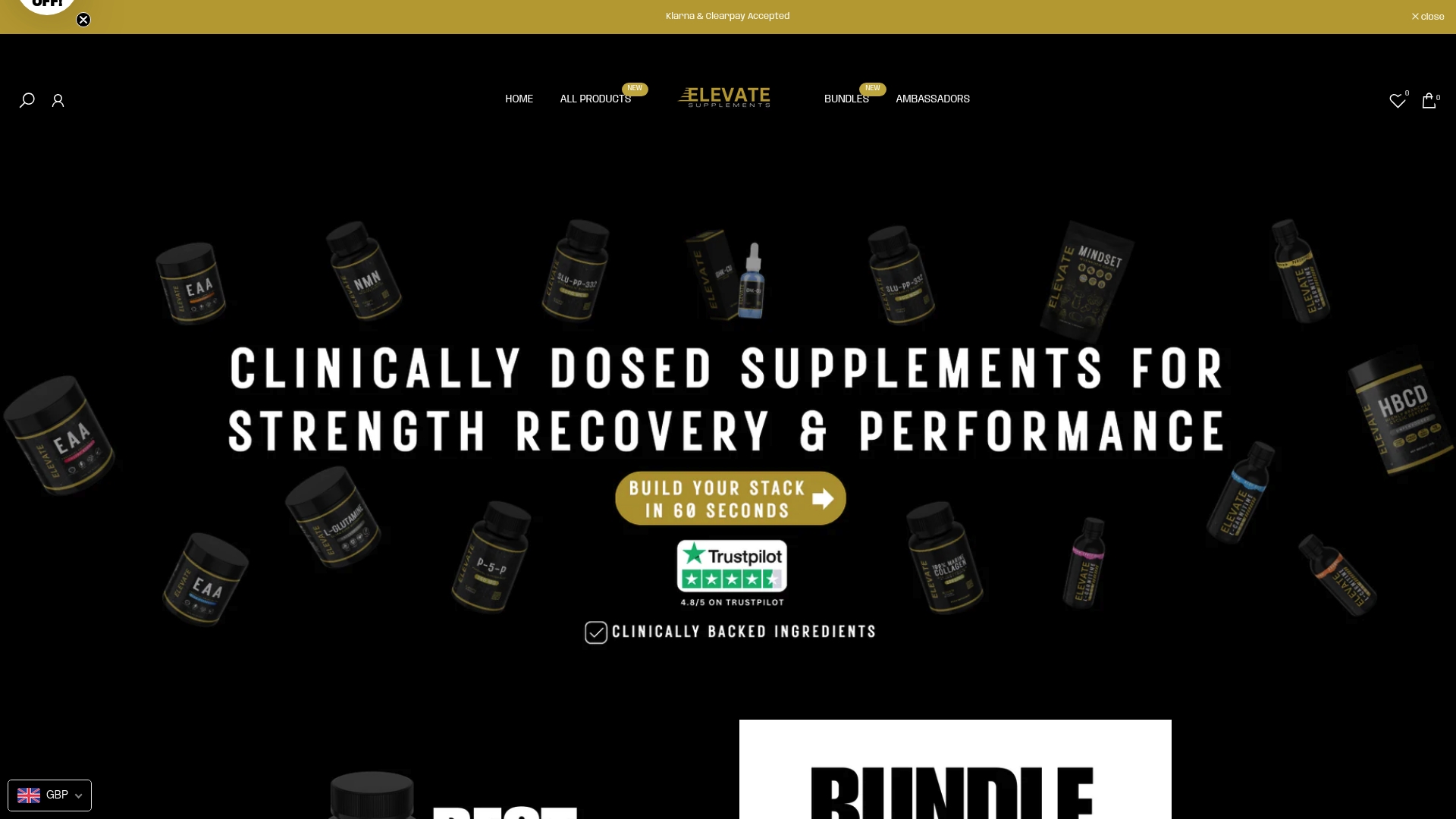
Explore our Best Sellers to discover top-rated vitamins and amino acids that athletes across the UK rely on. Visit our All Elevate Products page for a full selection tailored to your unique needs. Take action now and elevate your training and recovery with our fast UK delivery and dedicated 24/7 customer support at Elevate Supplements. Don’t wait to experience consistent energy, faster healing, and enhanced focus—embrace your fitness goals today!
Frequently Asked Questions
What are the key vitamins that support immune defence for fitness enthusiasts?
To support immune defence, fitness enthusiasts should focus on Vitamins C, D, and Zinc. Incorporating these into your daily routine can enhance your body’s natural defence mechanisms and improve your overall athletic performance.
How can vitamin intake aid in muscle recovery after intense training?
Vitamin intake, particularly protein and essential amino acids, is crucial for muscle recovery. Aim to consume high-quality proteins within 30-45 minutes post-exercise to accelerate muscle repair and replenish energy levels.
What nutrients can help improve my energy levels throughout the day?
To maintain energy levels, focus on B Vitamins, Magnesium, Iron, and Vitamin D. These nutrients support metabolic functions and can help prevent energy crashes; try to include them in every meal, particularly breakfast.
How do vitamins support bone and joint health as I age?
Vitamins like Calcium, Vitamin D, and Omega-3 fatty acids play a crucial role in maintaining bone density and joint health. Consider combining these nutrients with weight-bearing exercises to strengthen your skeletal system over time.
What vitamins can help reduce fatigue and speed up healing after workouts?
Vitamins C, Zinc, B Vitamins, and Magnesium are beneficial for reducing fatigue and enhancing healing. Incorporate these nutrients in your post-exercise nutrition to support rapid recovery and minimise downtime from training.
How can I identify and fill nutrient gaps in my active lifestyle?
Regularly assess your nutritional intake to identify potential gaps, focusing on vitamins such as D, Iron, and Magnesium. Consider adopting a tailored supplementation approach based on your training intensity to better meet your body’s demands.


