


Active adults push their bodies hard, but many believe joint supplements are only for older generations dealing with arthritis. Research shows younger active adults benefit within 8-12 weeks, experiencing reduced discomfort and faster recovery. Understanding how supplementation supports athletic longevity changes the game for maintaining peak performance throughout your most active years.
Table of Contents
- Introduction To Joint Support Supplementation
- How Joint Support Supplements Work: The Biological Mechanisms
- Key Ingredients In Joint Support Supplements And Their Effects
- Common Misconceptions About Joint Supplementation
- Comparing Joint Supplement Strategies And Best Practices
- Practical Guidance On Choosing And Using Joint Support Supplements
- Conclusion: Integrating Joint Supplements Into Your Active Lifestyle
- Enhance Your Joint Health With Elevate Supplements
- Frequently Asked Questions
Key takeaways
| Point | Details |
|---|---|
| Supplements reduce joint pain and inflammation | Key ingredients support performance and accelerate post-workout recovery for active individuals. |
| Glucosamine, collagen, and omega-3 are crucial | Each ingredient targets specific biological pathways that maintain joint health and function. |
| Common misconceptions limit effectiveness | Believing supplements only help older adults or expecting immediate results prevents optimal use. |
| Timing and dosage impact results | Strategic supplementation around workouts can improve absorption and efficacy by significant margins. |
| Quality matters for long-term joint health | Choosing evidence-based formulations with transparent sourcing ensures sustained athletic performance. |
Introduction to joint support supplementation
Your joints take enormous stress during training, whether you’re running, lifting, or playing sport. The repetitive impact and high-intensity movements that build strength and endurance simultaneously wear down cartilage and challenge your body’s natural repair mechanisms. Many active individuals aged 25 to 45 notice stiffness after intense sessions or feel their recovery taking longer than it used to.
Joint cartilage naturally experiences microtrauma during exercise. Your synovial fluid, which lubricates joints, can become less effective under sustained physical stress. Without proper support, this deterioration affects mobility, limits training intensity, and extends recovery periods between sessions.
Supplementation enters the picture as a strategic tool to address these challenges. Products like Elevate Joint Aid deliver targeted nutrients that support cartilage repair, reduce inflammatory responses, and maintain optimal joint lubrication. These biological mechanisms help active adults sustain performance levels whilst protecting long-term joint health.
The science behind supplementation focuses on three core areas:
- Supporting the body’s natural cartilage regeneration processes
- Reducing exercise-induced inflammation that slows recovery
- Enhancing synovial fluid quality for smoother joint movement
- Protecting existing cartilage from accelerated breakdown
Understanding why collagen supplements matter reveals how structural proteins play crucial roles in maintaining joint integrity. Natural joint wear doesn’t just impact comfort; it directly influences athletic performance, workout consistency, and recovery quality between training sessions.
How joint support supplements work: the biological mechanisms
Joint supplements target specific biochemical pathways that govern cartilage health, inflammation control, and joint lubrication. Understanding these mechanisms helps you appreciate why supplementation requires patience and consistency rather than delivering instant results.
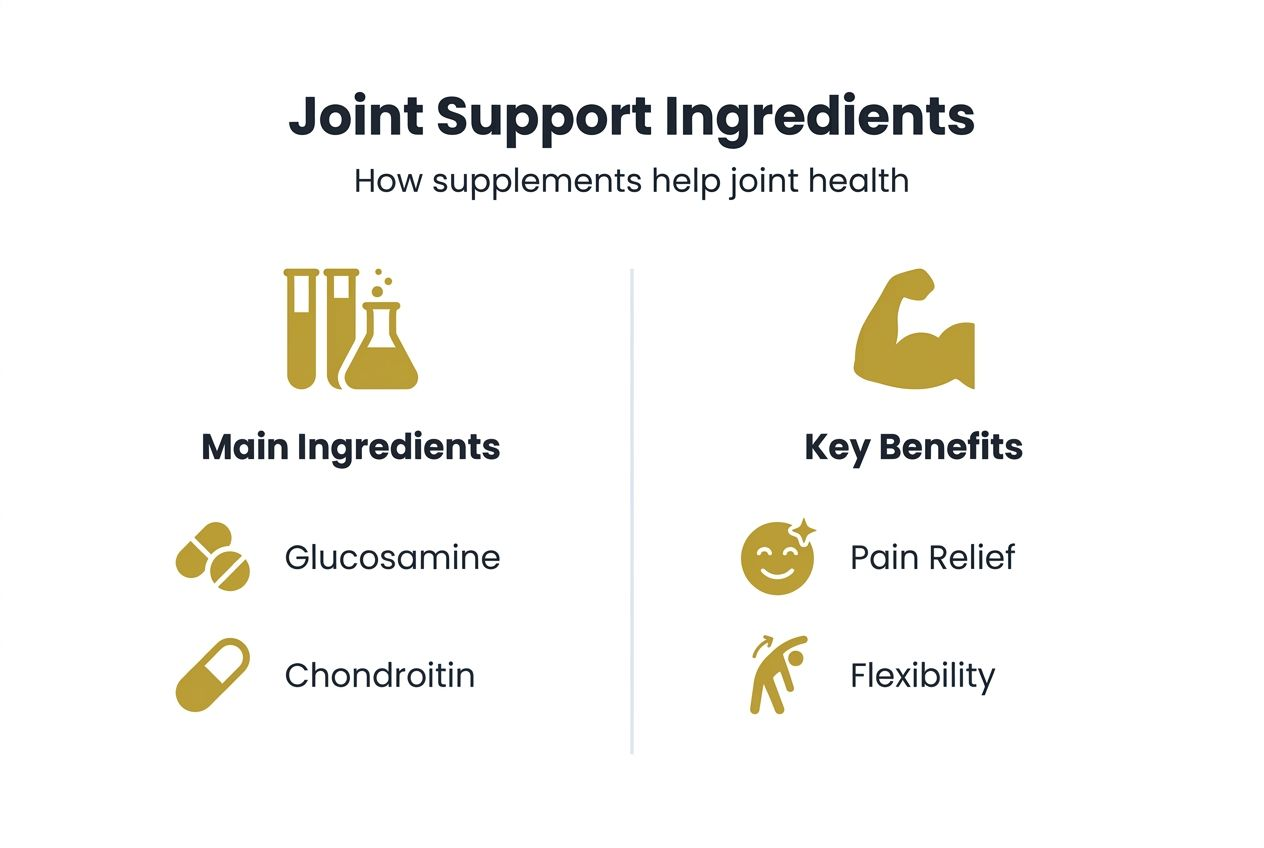
Glucosamine and chondroitin work together to support cartilage matrix synthesis. Supplementing with glucosamine and chondroitin significantly reduces joint pain by providing building blocks your body uses for cartilage repair whilst simultaneously dampening inflammatory responses. These compounds influence the production of proteoglycans, essential molecules that give cartilage its shock-absorbing properties.
Omega-3 fatty acids operate through different pathways. Omega-3 fatty acids reduce inflammatory markers by modulating prostaglandin and leukotriene production, key mediators of inflammation. After high-impact activity, these anti-inflammatory effects help decrease stiffness and support faster recovery between training sessions.
The biological mechanisms at play include:
- Cartilage matrix synthesis through glucosamine pathways
- Inflammatory cytokine modulation via omega-3 metabolism
- Synovial fluid viscosity enhancement through hyaluronic acid
- Collagen production stimulation for structural joint support
“Joint supplements work by addressing the root causes of exercise-related discomfort rather than masking symptoms. They provide raw materials for repair whilst controlling inflammation that would otherwise slow recovery.”
Your synovial fluid acts as both lubricant and nutrient delivery system for cartilage. Supplements containing hyaluronic acid improve this fluid’s quality, enhancing joint mobility and reducing friction during movement. This becomes particularly important for athletes performing repetitive motions where joint surfaces experience constant contact.
Exploring why collagen supplements matter reveals how type II collagen specifically supports cartilage structure. Your body uses these amino acid building blocks to regenerate damaged tissue and maintain the extracellular matrix that keeps joints functioning smoothly under stress.

Key ingredients in joint support supplements and their effects
Different ingredients target distinct aspects of joint health. Understanding each component’s role helps you select supplements that address your specific needs as an active individual.
Glucosamine and chondroitin deliver the most research-backed benefits when combined. Studies show their synergistic effect provides greater pain reduction than either ingredient alone. Glucosamine sulphate typically ranges from 1,500mg daily, whilst chondroitin sulphate doses sit around 800-1,200mg for optimal effectiveness.
Collagen supplementation has gained massive attention in athletic populations. Collagen supplementation contributes to joint cartilage regeneration and specifically reduces exercise-related discomfort. Type II collagen provides the specific amino acid profile your body needs for cartilage repair, with typical effective doses ranging from 2.5 to 10 grams daily.
| Ingredient | Primary Function | Typical Dosage | Key Benefit |
|---|---|---|---|
| Glucosamine | Cartilage synthesis | 1,500mg/day | Structural support |
| Chondroitin | Inflammation control | 800-1,200mg/day | Pain reduction |
| Collagen | Tissue regeneration | 2.5-10g/day | Mobility improvement |
| Omega-3 | Anti-inflammatory | 2-3g/day | Recovery enhancement |
| Hyaluronic acid | Joint lubrication | 80-200mg/day | Movement ease |
Omega-3 fatty acids from fish oil provide EPA and DHA, powerful anti-inflammatory compounds. These essential fats reduce joint stiffness after intense training whilst supporting overall recovery. Effective doses typically require 2 to 3 grams of combined EPA and DHA daily, far more than most people obtain through diet alone.
Hyaluronic acid improves synovial fluid viscosity, creating better joint cushioning during movement. This ingredient particularly benefits individuals performing high-repetition activities where joint surfaces experience constant friction. Doses between 80 and 200mg daily show effectiveness in research.
Pro tip: Combining these ingredients often delivers comprehensive joint support because each targets different biological mechanisms. Products like Elevate Joint Aid formulate multiple ingredients together to address cartilage health, inflammation, and lubrication simultaneously.
The most effective supplementation strategies recognise that joint health depends on multiple factors. No single ingredient addresses every aspect of joint function, which explains why combination formulas typically outperform isolated compounds in real-world athletic applications.
Common misconceptions about joint supplementation
Several persistent myths prevent active individuals from using joint supplements effectively. Clearing up these misunderstandings helps you make informed decisions about supplementation timing, dosage, and expectations.
The biggest misconception suggests joint supplements only benefit older adults or those diagnosed with arthritis. Active younger adults gain significant benefits within 8-12 weeks according to research examining athletic populations. Your joints experience wear from training regardless of age, and proactive supplementation supports long-term performance capacity.
Many people believe higher doses yield faster or better results. This thinking leads to excessive intake and potential side effects. Taking more supplement than recommended causes side effects like gastrointestinal discomfort without providing additional benefits. Your body can only utilise specific amounts of these nutrients within given timeframes.
Key misconceptions to avoid:
- Joint supplements work immediately like pain relievers (they don’t; expect 8-12 weeks)
- Only injured or older individuals benefit from supplementation
- Higher doses accelerate results or provide superior outcomes
- Supplements replace proper training techniques and recovery protocols
- All joint supplements deliver identical results regardless of formulation
The expectation of immediate relief represents another common trap. Joint supplements support repair and regeneration processes that unfold over weeks, not days. Cartilage synthesis, inflammation modulation, and synovial fluid improvement all require consistent supplementation before benefits become noticeable. Patience proves essential for successful outcomes.
Some athletes assume supplementation eliminates the need for proper training progression, adequate recovery, and movement technique refinement. Supplements enhance these foundational practices rather than replacing them. Learning to choose supplements for performance helps you integrate them strategically within a comprehensive approach to athletic longevity.
Educating yourself on realistic timelines and appropriate dosages ensures you experience joint supplements’ genuine benefits whilst avoiding disappointment or unnecessary side effects. This knowledge empowers smarter supplementation decisions aligned with your training goals.
Comparing joint supplement strategies and best practices
Different supplementation approaches offer varying benefits depending on your specific needs, training intensity, and joint health status. Understanding these options helps you select the most effective strategy.
Combined ingredient formulas typically outperform single-compound supplements. Glucosamine and chondroitin together provide more substantial pain reduction and functional improvement than either ingredient used individually. This synergy extends to other combinations, with collagen plus omega-3 offering complementary benefits for cartilage support and inflammation control.
Timing significantly impacts supplement effectiveness. Timing supplements around workouts can improve absorption and efficacy by 30% according to research on nutrient timing in athletes. Taking supplements pre-workout ensures nutrients are available during and after training when your body experiences peak demand for repair materials.
| Strategy | Approach | Primary Benefit | Best For |
|---|---|---|---|
| Pre-workout dosing | 30-60 min before training | Peak nutrient availability | High-intensity athletes |
| Post-workout dosing | Within 2 hours after exercise | Enhanced recovery signalling | Endurance athletes |
| Split dosing | Morning and evening doses | Consistent blood levels | General joint maintenance |
| Workout days only | Supplement on training days | Cost efficiency | Recreational athletes |
| Daily supplementation | Every day regardless of training | Sustained tissue support | Optimal long-term results |
Optimal supplementation practices include:
- Start with evidence-based dosages from clinical research
- Take supplements consistently for minimum 8-12 weeks before evaluating effectiveness
- Time intake around workouts when practical for enhanced absorption
- Combine supplementation with proper training progression and recovery protocols
- Monitor joint response and adjust approach as needed
Supplementation complements but doesn’t replace physical therapies, proper movement patterns, and appropriate training loads. Consider joint supplements one component of comprehensive joint care that includes mobility work, strength training, and adequate recovery. Products supporting overall recovery, like those detailed in natural supplements that cut recovery time, work synergistically with joint-specific formulas.
Pro tip: Consistency and strategic timing around workouts amplify benefits beyond what random supplementation provides. Creating a structured supplement routine aligned with your training schedule maximises recovery and joint health outcomes.
Exploring best supplements for muscle recovery naturally reveals how joint support fits within broader recovery strategies. Effective athletes recognise that joint health, muscle recovery, and performance capacity interconnect, requiring integrated nutritional support rather than isolated interventions.
Practical guidance on choosing and using joint support supplements
Selecting quality supplements requires evaluating several factors beyond marketing claims. Your choices directly impact both safety and effectiveness over the long term.
Evaluate supplements based on ingredient evidence first. Look for compounds with substantial research backing in athletic populations, not just general joint health studies. Check that dosages match those proven effective in clinical trials rather than proprietary blends with undisclosed amounts. Third-party testing for purity and label accuracy provides additional quality assurance.
Start supplementation proactively rather than waiting for significant joint issues to develop. Long-term joint supplementation delays cartilage degradation and supports sustained joint health in active populations. Prevention proves easier than trying to reverse established damage after years of unprotected training stress.
Recommended dosages based on clinical research:
- Glucosamine sulphate: 1,500mg daily in single or divided doses
- Chondroitin sulphate: 800-1,200mg daily, often split into two doses
- Type II collagen: 2.5-10g daily, typically taken pre or post-workout
- Omega-3 fatty acids: 2-3g combined EPA/DHA daily with meals
- Hyaluronic acid: 80-200mg daily for synovial fluid support
Timing supplement intake strategically amplifies benefits. Take collagen and glucosamine around training sessions when your body experiences peak demand for repair materials. Omega-3 supplements absorb best with meals containing dietary fat. Spreading doses throughout the day maintains more consistent nutrient availability for ongoing repair processes.
Pro tip: Monitor your joint response over 12 weeks, noting changes in post-workout stiffness, recovery time, and movement quality. Adjust your supplementation strategy based on these observations whilst maintaining consistency long enough to experience genuine biological changes.
Quality indicators when selecting supplements:
- Transparent labelling with specific ingredient forms and dosages
- Third-party testing verification for purity and potency
- Sourcing information for key ingredients like collagen or glucosamine
- Research backing for the specific formulation, not just individual ingredients
- Manufacturing standards meeting or exceeding regulatory requirements
Resources like how to choose supplements for performance provide frameworks for evaluating supplement quality across categories. Applied to joint health products, these principles help you identify formulations likely to deliver promised benefits whilst avoiding low-quality options.
Integrating supplementation into your routine requires consistency. Set reminders, link supplement intake to existing habits like meals or training, and track your adherence. Sporadic use prevents you from experiencing the cumulative benefits that develop through sustained nutritional support for joint tissues.
Conclusion: integrating joint supplements into your active lifestyle
Joint supplementation offers active adults powerful tools for protecting performance capacity and extending athletic longevity. The biological mechanisms underlying cartilage repair, inflammation control, and joint lubrication respond to targeted nutritional support when provided consistently over appropriate timeframes.
Patience proves essential for success. Expecting results within days sets you up for disappointment, whilst committing to 8-12 weeks of consistent use typically reveals noticeable improvements in joint comfort, recovery speed, and movement quality during training.
Combining supplements with comprehensive joint care practices delivers optimal outcomes. Continue prioritising proper training progression, movement quality, adequate recovery, and mobility work alongside supplementation. This integrated approach addresses joint health from multiple angles, creating synergistic benefits beyond what any single intervention provides.
You now possess the knowledge to make informed decisions about joint supplementation. Understanding ingredient mechanisms, appropriate dosages, timing strategies, and realistic expectations empowers you to protect your joints whilst pursuing athletic goals. Taking proactive steps today supports the performance capacity and movement freedom you want to maintain throughout your most active years.
Enhance your joint health with Elevate Supplements
Ready to protect your joints and optimise recovery? Elevate Supplements offers scientifically formulated joint support products tailored specifically for active individuals pursuing peak performance. Elevate Joint Aid combines key ingredients at clinically effective dosages to support cartilage health, reduce inflammation, and enhance joint function.
For comprehensive support, explore the Perform & Recovery Stack, which pairs joint support with additional recovery nutrients for complete post-training regeneration. Every product meets rigorous standards for purity and efficacy, ensuring you receive genuine benefits from your supplementation investment. Shop Elevate Supplements today to discover how targeted nutrition supports your athletic goals and long-term joint health.
Frequently asked questions
Are joint support supplements only beneficial for older adults?
No, joint supplements benefit active younger adults significantly. Research shows active younger adults benefit within 8-12 weeks of consistent supplementation, experiencing reduced joint discomfort and faster recovery. Training stress affects joints regardless of age, making proactive supplementation valuable for anyone pursuing athletic performance.
How long does it take to see benefits from joint support supplements?
Benefits typically appear after 8 to 12 weeks of consistent daily supplementation. Joint supplements support biological repair processes that unfold gradually rather than providing immediate symptom relief. Patience and consistency prove essential for experiencing genuine improvements in joint comfort, recovery speed, and movement quality.
Can I take joint supplements alongside other recovery products?
Yes, joint supplements safely combine with other recovery supplements when used according to recommended dosages. Integrating joint support with protein, amino acids, and other recovery nutrients creates comprehensive nutritional support for training adaptations. Explore best supplements for muscle recovery naturally to understand how different supplements work together for optimal athletic performance.
What should I look for when choosing a joint support supplement?
Select supplements containing clinically supported ingredients at dosages matching research protocols. Check for transparent labelling, third-party testing verification, and quality sourcing information. Effective formulations combine multiple ingredients like glucosamine, collagen, and omega-3 that target different aspects of joint health. Learn more about choosing supplements for performance to evaluate quality indicators across supplement categories.


