


Many assume sleep supplements deliver instant results, but this misconception prevents people from experiencing their true benefits. The reality is more nuanced. Quality sleep support supplements work through biological pathways that require consistent use to optimise recovery and mental well-being. This guide unpacks the science behind these supplements, compares key ingredients, dispels common myths, and provides practical advice tailored for UK and Ireland consumers seeking better sleep and enhanced physical recovery.
Table of Contents
- Understanding The Role Of Sleep In Physical And Mental Health
- How Sleep Support Supplements Work: Biological Mechanisms
- Comparing Popular Sleep Supplement Ingredients
- Common Misconceptions About Sleep Support Supplements
- Practical Guidance For Selecting Sleep Supplements In The UK And Ireland
- Integrating Sleep Supplements Into Your Wellness Routine
- Discover Quality Sleep Support Supplements At Elevate Supplements
Key takeaways
| Point | Details |
|---|---|
| Physical recovery enhancement | Sleep supplements boost deep sleep phases when growth hormone peaks for tissue repair. |
| Key ingredient mechanisms | Melatonin regulates circadian rhythm, GABA promotes relaxation, and magnesium calms the nervous system through distinct pathways. |
| Misconceptions clarified | Benefits emerge after 1-2 weeks of consistent use, not immediately, and proper cycling prevents tolerance. |
| Selection criteria | Prioritise clinical-grade supplements with transparent labelling that address multiple sleep pathways synergistically. |
| Integration approach | Combine supplementation with sleep hygiene practices and monitor individual response for optimal outcomes. |
Understanding the role of sleep in physical and mental health
Quality sleep isn’t merely rest. It orchestrates essential biological processes that determine how effectively your body repairs muscle tissue and maintains cognitive clarity. During sleep, particularly deep slow wave stages, your body releases growth hormone in concentrated bursts.
Sleep support supplements can accelerate physical recovery by enhancing deep sleep phases when growth hormone secretion peaks, critical for tissue repair and muscle recovery. This hormonal cascade drives protein synthesis and cellular restoration throughout your body.
Poor sleep quality creates cascading problems. Cognitive performance deteriorates, stress resilience weakens, and mental health suffers measurably. Your natural circadian rhythms evolved to align sleep cycles with optimal repair windows, but modern lifestyle pressures and ageing frequently disrupt these patterns.
Consider these sleep fundamentals:
- Deep slow wave sleep stages are particularly vital for physical recovery and cognitive restoration processes
- Growth hormone release during quality sleep directly supports muscle repair and metabolic function
- Consistent sleep-wake patterns strengthen circadian alignment for better overall health outcomes
- Many individuals experience declining sleep quality due to stress, screen exposure, and irregular schedules
This biological foundation explains why supplements for muscle recovery increasingly target sleep quality. Addressing sleep challenges becomes essential for anyone prioritising physical performance or mental well-being.
How sleep support supplements work: biological mechanisms
Sleep supplements don’t simply sedate you. They target specific neurological and hormonal pathways that regulate your natural sleep-wake cycle. Understanding these mechanisms helps you select formulations aligned with your particular sleep challenges.
Melatonin supplementation improves sleep onset latency and overall sleep quality by regulating the circadian rhythm. Research demonstrates melatonin reduces the time needed to fall asleep by 7-12 minutes whilst improving sleep efficiency by 8-10%. This hormone signals to your brain that it’s time for rest.
Gamma-aminobutyric acid (GABA) supplements promote relaxation and reduce stress, contributing to improved sleep quality and mental health. GABA functions as your brain’s primary inhibitory neurotransmitter, actively calming neural activity. Studies show GABA supplementation can lower sleep-related anxiety by approximately 20%.
Magnesium plays a critical role in regulating neurotransmitters that calm the nervous system and is linked to improved sleep efficiency and reduced insomnia symptoms. Clinical trials demonstrate magnesium supplementation improves sleep efficiency by 19% and reduces early morning awakenings by 14%.
These ingredients work through distinct yet complementary pathways:
- Melatonin directly influences your circadian clock, coordinating sleep timing with natural light-dark cycles
- GABA reduces neuronal excitability, creating the mental calm necessary for sleep initiation
- Magnesium modulates multiple neurotransmitter systems whilst supporting muscle relaxation
- Combined formulations leverage synergistic effects across multiple sleep-regulating pathways
This multi-pathway approach explains why comprehensive formulations often outperform single-ingredient supplements. Your body’s sleep systems are interconnected, and addressing multiple mechanisms simultaneously produces more robust improvements. Understanding these biological foundations helps you evaluate products beyond marketing claims and select supplements with proven roles in wellness.
Comparing popular sleep supplement ingredients
Not all sleep ingredients work identically. Each compound offers distinct benefits, optimal use cases, and considerations. Understanding these differences enables more informed supplement selection.
Melatonin excels at circadian rhythm regulation, particularly for shift workers or those experiencing jet lag. Effective doses typically range from 0.5mg to 5mg taken 30-60 minutes before bedtime. However, continuous high-dose use may disrupt your body’s natural melatonin production over time, making cycling important.
Valerian root provides natural sedative effects through different mechanisms than melatonin. Studies indicate valerian improves subjective sleep quality with generally fewer side effects than synthetic options. The herb works gradually, often requiring several weeks of consistent use before full benefits emerge.
Magnesium supports nervous system calmness and particularly benefits individuals with stress-related insomnia or muscle tension. Magnesium glycinate and magnesium threonate offer superior absorption compared to cheaper magnesium oxide formulations. Typical effective doses range from 200mg to 400mg daily.
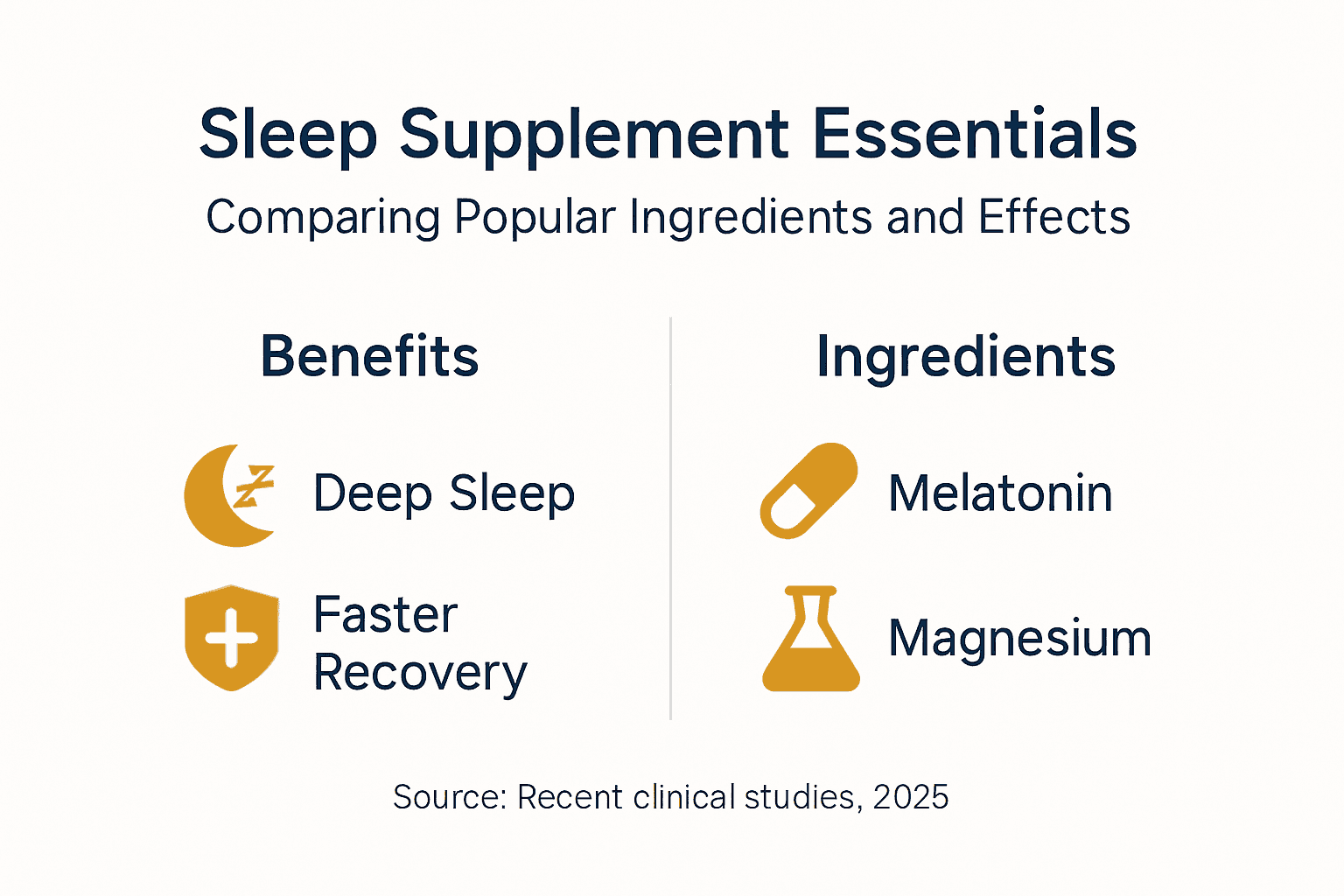
Combination supplements harness synergistic effects by targeting multiple sleep pathways simultaneously. Quality formulations might blend melatonin for circadian support, GABA for relaxation, and magnesium for neurotransmitter regulation. This approach addresses sleep challenges from multiple angles.
Consider these ingredient trade-offs:
- Melatonin works quickly but requires proper cycling to maintain effectiveness and natural hormone balance
- Valerian root offers gentler effects but needs consistent use over weeks for optimal results
- Magnesium provides broad nervous system benefits beyond sleep alone, supporting overall stress resilience
- L-theanine promotes relaxation without sedation, useful for those sensitive to stronger sleep aids
Pro tip: Start with lower doses of individual ingredients before trying combination formulas. This approach helps you identify which compounds work best for your body and minimises potential side effects. Safe supplement stacking requires understanding how ingredients interact, so review safe supplement stacking tips before combining multiple products.
Common misconceptions about sleep support supplements
Misunderstandings about sleep supplements can lead to disappointment or unsafe use. Let’s address the most prevalent myths with evidence-based clarity.
The biggest misconception is expecting immediate results. Sleep supplements typically require 1-2 weeks of consistent use before you notice meaningful improvements. Your body needs time to adjust to supplementation and for biological pathways to optimise.
Many believe high-dose melatonin works better, but research contradicts this. Excessive melatonin can actually worsen sleep quality by disrupting your natural hormonal rhythms. Doses above 5mg rarely provide additional benefits and may cause next-day grogginess or vivid dreams.
Another dangerous assumption is that natural equals universally safe. Whilst many sleep supplements are generally well-tolerated, incorrect dosing or poor-quality products can cause side effects. Even natural compounds interact with medications or existing health conditions.
Key misconceptions to avoid:
- Sleep supplements don’t replace proper sleep hygiene practices like consistent bedtimes and dark sleeping environments
- Not everyone responds identically to herbal extracts like valerian root due to individual biochemical differences
- Tolerance can develop with continuous use, particularly with melatonin, necessitating cycling strategies
- Quality varies dramatically between brands, with some products containing inaccurate ingredient amounts
- Sleep supplements aid existing sleep capacity but can’t overcome severe sleep disorders requiring medical intervention
Pro tip: Track your sleep quality objectively using a sleep diary or wearable device when starting supplementation. This data helps you identify genuine improvements versus placebo effects and informs dosage adjustments. If you’re stacking multiple supplements, follow safe stacking advice to avoid compound interactions.
Practical guidance for selecting sleep supplements in the UK and Ireland
Navigating the crowded supplement market requires discernment. Quality products share specific characteristics that distinguish them from inferior alternatives.
Prioritise supplements with clinically validated ingredients backed by peer-reviewed research. Look for products that transparently list exact ingredient amounts rather than hiding behind proprietary blends. This transparency allows you to verify dosages match clinically effective levels.
Combined ingredient formulas often deliver superior results by addressing multiple sleep pathways simultaneously. A quality formulation might include melatonin for circadian regulation, magnesium for nervous system support, and herbal extracts like chamomile for gentle sedation. This synergistic approach typically outperforms single-ingredient products.
Start with recommended doses and follow safe cycling strategies. Begin at the lower end of dosage ranges and increase gradually only if needed. Cycling prevents tolerance development, particularly important for melatonin which can suppress natural production with prolonged continuous use.
Remember that supplements work optimally as part of comprehensive wellness routines:
- Maintain consistent sleep-wake schedules even on weekends to strengthen circadian rhythms
- Create dark, cool sleeping environments that signal rest time to your body
- Limit screen exposure 60-90 minutes before bedtime to reduce blue light interference
- Manage stress through regular exercise, meditation, or other proven relaxation techniques
- Address underlying sleep disorders with medical professionals when necessary
Purchase from trusted suppliers adhering to UK and Ireland regulatory standards. Reputable retailers provide third-party testing verification, clear ingredient sourcing information, and responsive customer support. Stay informed about latest supplement news and consult resources on choosing supplements for performance to make evidence-based decisions. Understanding the role of supplements in wellness helps contextualise sleep support within your broader health goals.
Integrating sleep supplements into your wellness routine
Effective supplementation requires more than simply taking capsules before bed. Strategic integration maximises benefits whilst minimising risks.
Melatonin doses typically range from 0.5mg to 5mg taken 30-60 minutes before your target bedtime. Start at lower doses around 0.5-1mg and increase only if sleep improvements plateau. This conservative approach reduces side effect risks whilst identifying your minimum effective dose.
Cycle your melatonin use strategically. Consider patterns like three weeks on followed by one week off, or five days on with two days off. This cycling maintains your body’s natural melatonin production capacity and prevents dependency. Many users find they need less melatonin over time as sleep patterns normalise.
Combine supplementation with proven lifestyle practices for synergistic results:
- Establish consistent sleep-wake times seven days weekly to anchor your circadian rhythm
- Create pre-sleep routines that signal rest time, such as dimming lights and avoiding stimulating content
- Optimise your sleeping environment with blackout curtains, cool temperatures, and minimal noise
- Exercise regularly but complete vigorous workouts at least 3-4 hours before bedtime
- Limit caffeine intake after 2pm and avoid alcohol close to bedtime despite its sedative effects
- Consider meditation, progressive muscle relaxation, or breathing exercises to manage pre-sleep anxiety
Monitor your sleep quality and potential side effects regularly. Track metrics like sleep onset time, number of awakenings, morning alertness, and daytime energy levels. This objective data reveals whether your current approach works or requires adjustment.
Pro tip: Photograph your supplement bottles showing exact ingredients and dosages. Share these images with your doctor during consultations to facilitate informed discussions about interactions with medications or health conditions. This simple step prevents miscommunication and enables better personalised advice.
Consult healthcare providers if sleep problems persist beyond 4-6 weeks of consistent supplementation and lifestyle optimisation. Chronic sleep difficulties may indicate underlying disorders requiring professional diagnosis and treatment. Products like Elevate Sleep Aid provide quality starting points, but always integrate supplements responsibly following supplement stacking guidance.
Discover quality sleep support supplements at Elevate Supplements
You’ve learned how sleep supplements enhance recovery and mental wellness through targeted biological mechanisms. Now it’s time to apply this knowledge with trusted products designed for your goals.

Elevate Supplements offers clinically validated sleep aids including comprehensive blends featuring melatonin, magnesium, and synergistic herbal ingredients. Each formulation targets multiple sleep pathways simultaneously, delivering the compound benefits discussed throughout this guide. The Elevate Sleep Aid provides precisely dosed ingredients that support natural sleep cycles without morning grogginess.
For those prioritising both recovery and performance, the Perform & Recovery Stack combines sleep support with complementary supplements that enhance the deep sleep phases critical for physical repair. This integrated approach maximises the 20% recovery improvements achievable through optimised sleep quality.
Explore expert guidance and product insights through the Elevate Supplements blog, where you’ll find detailed advice on choosing supplements tailored to your performance needs. Shop with confidence knowing you’re accessing products that meet rigorous UK and Ireland quality standards whilst supporting your wellness journey.
FAQ
What is the typical timeline to see benefits from sleep supplements?
Most users notice initial improvements within 1-2 weeks of consistent use, though full benefits often require 3-4 weeks as your body adjusts. Melatonin may show faster effects on sleep onset, whilst magnesium and herbal ingredients work more gradually on overall sleep architecture.
Are sleep supplements safe for long-term use?
Safety depends on the specific ingredients and dosing strategy. Magnesium is generally safe for continuous use, whilst melatonin requires cycling to prevent hormonal disruption. Always follow recommended doses and consult healthcare providers for personalised guidance, especially if using supplements beyond three months.
Can I take sleep supplements with other medications?
Sleep supplements can interact with medications including antidepressants, blood pressure drugs, and sedatives. Always inform your doctor about all supplements you’re taking, providing specific ingredients and doses. This transparency enables them to identify potential interactions and adjust treatment plans accordingly.
How do I choose the right sleep supplement for my needs?
Identify your primary sleep challenge first. If you struggle falling asleep, melatonin-based formulas work well. For staying asleep or stress-related insomnia, consider magnesium or GABA combinations. Choose products with transparent labelling, clinically effective doses, and third-party testing verification.
Should I still follow sleep hygiene practices when using supplements?
Absolutely. Supplements enhance but don’t replace fundamental sleep hygiene. Maintain consistent sleep schedules, optimise your sleeping environment, limit screen time before bed, and manage stress effectively. This comprehensive approach delivers far better results than supplementation alone.


