


Finding your energy hitting a wall halfway through a training session can leave you questioning your supplement choices and approach. Understanding personal energy needs is vital for anyone in the United Kingdom or Ireland aiming to see real progress in the gym or on the track. By focusing on your current activity level and how your body responds to training, you’ll be able to identify which supplement strategies actually fit your routine and goals, making every workout count.
Table of Contents
- Step 1: Assess Your Personal Energy Needs
- Step 2: Select Suitable Energy-Boosting Supplements
- Step 3: Integrate Supplements Into Your Routine Safely
- Step 4: Monitor Your Energy Levels And Adapt Usage
Quick Summary
| Insights | Explanation |
|---|---|
| 1. Understand Your Energy Needs | Assess your energy requirements based on age, activity level, and body composition to avoid wasting money on unnecessary supplements. |
| 2. Choose Evidence-Based Supplements | Select supplements that have solid research backing their effectiveness, such as B-complex vitamins, iron, and magnesium, tailored to your specific needs. |
| 3. Monitor and Adapt Supplement Use | Keep track of your energy levels and training performance over time to ensure your supplement strategy aligns with your changing needs and goals. |
| 4. Integrate Supplements Safely | Consult healthcare professionals before starting any new supplements, and create a consistent routine for taking them alongside monitoring dosage. |
| 5. Avoid Premature Purchases | Log your energy levels for two weeks before selecting supplements to identify real needs instead of making assumptions based on marketing claims. |
Step 1: Assess your personal energy needs
Knowing your baseline energy requirements is the foundation for choosing the right supplements. Without understanding what your body actually needs, you might waste money on products that won’t move the needle for your training goals.
Your energy needs depend on several key factors. Age, sex, and body composition all play significant roles, as do your current activity level and training intensity. Someone doing light cardio twice weekly has vastly different requirements than an athlete training for competitive events.
Start by calculating your basal metabolic rate (BMR), which is the energy your body uses at rest. Then multiply this by your activity factor based on your lifestyle:
- Sedentary (little to no exercise): BMR × 1.2
- Lightly active (1-3 days per week): BMR × 1.375
- Moderately active (3-5 days per week): BMR × 1.55
- Very active (6-7 days per week): BMR × 1.725
- Extremely active (twice daily training): BMR × 1.9
The National Institutes of Health provides dietary reference intakes tailored to your age, sex, and activity level, which can help you establish accurate baseline figures.
Next, track your energy levels throughout a typical training week. Notice when you feel strongest and weakest. Are you struggling mid-afternoon? Fatiguing during the final set of your workout? Losing focus after 45 minutes? These patterns tell you where supplements could make the biggest difference.
Your energy needs aren’t static—they shift with your training phase, whether you’re building muscle, cutting fat, or preparing for competition.
Consider timing too. Peak energy demands occur around your workouts, but you might also need sustained energy for long work days or early morning training sessions. Identifying these specific windows helps you select supplements that address your actual gaps rather than guessing.
When choosing supplements for your performance goals, accurate energy assessment ensures you invest in products that align with your physiology and lifestyle.
Pro tip: Log your energy levels and training intensity for two weeks before buying supplements—you’ll identify genuine deficits rather than relying on assumptions, saving you money and time finding what actually works for your body.
Step 2: Select suitable energy-boosting supplements
Now that you understand your energy needs, it’s time to identify supplements that actually deliver results. The market is flooded with products making wild claims, so knowing which ones are backed by evidence matters.
Start with the most researched energy supporters. B-complex vitamins play a crucial role in converting food into usable energy, whilst iron and magnesium support oxygen transport and muscle function respectively. Ginseng, a traditional botanical, has shown promise in clinical studies for sustained energy without the crash of caffeine.
The NIH Office of Dietary Supplements offers detailed fact sheets on energy-supporting supplements, including their effectiveness and safety profiles. This resource helps you distinguish between supplements with solid research versus those with minimal evidence.
When evaluating options, consider these factors:
- Research backing: Look for supplements studied in peer-reviewed trials with your specific goal (endurance, strength, recovery)
- Your deficiencies: If you’re low in iron or B12, addressing that gap will boost energy more than taking random supplements
- Form and absorption: Some people absorb tablets better than powders; others respond to liquid formulations
- Quality standards: Choose products tested by third parties to verify ingredients match labels
Your specific training demands matter too. Endurance athletes might benefit from beetroot juice concentrate or beta-alanine, whilst strength trainers often see better results from creatine monohydrate combined with carbohydrates around workouts.
Here’s a summary comparing common energy-boosting supplements and their primary benefits:
| Supplement | Main Benefit | Best For |
|---|---|---|
| B-complex vitamins | Supports energy metabolism | Fatigue linked to deficiency |
| Iron | Enhances oxygen transport | Women, endurance athletes |
| Magnesium | Improves muscle function | High-intensity trainers |
| Ginseng | Sustains alertness | Those seeking caffeine-free boost |
| Creatine monohydrate | Increases power/strength | Weight and strength trainers |
| Beetroot juice | Boosts endurance performance | Endurance athletes |
Select supplements that address your actual energy bottleneck, not the one marketed most aggressively on social media.
Avoid the trap of buying everything at once. Vitamin supplements offer measurable advantages when chosen strategically, but stacking unproven products wastes money and obscures what actually works for your body.
Start with one or two carefully selected supplements, use them for four to six weeks consistently, then assess the difference in your training performance and recovery.
Pro tip: Compare the ingredient lists and dosages across brands before purchasing—some budget options contain identical active ingredients to premium brands at half the price, helping you identify genuine value rather than just paying for marketing.
Step 3: Integrate supplements into your routine safely
Adding supplements to your daily routine requires more than just tossing pills in your gym bag. Timing, dosage, and interactions with medications or other supplements matter significantly for both safety and effectiveness.
Start by consulting your GP or a registered dietitian before beginning any new supplement regimen. This is particularly important if you take medications, as supplements can interact with prescriptions in unpredictable ways. Your healthcare provider understands your complete health picture and can identify potential conflicts before they become problems.
Once cleared, establish a consistent daily routine around your supplements. Take them at the same time each day, ideally with food or water as appropriate for each product. This consistency helps your body absorb nutrients efficiently and prevents you from forgetting doses.
When stacking supplements safely, start with lower doses than recommended and gradually increase over a week or two. This approach helps you identify whether you experience any side effects before committing to full dosages.
Monitor your body’s response carefully during the first four weeks. Track metrics like energy levels, workout performance, recovery quality, and any unusual symptoms. Natural does not mean completely safe, so remain alert for headaches, digestive upset, sleep disruption, or allergic reactions.
Keep a simple log of what you’re taking:
- Supplement name and dose
- Time of day you take it
- How you feel that day
- Any changes in training performance
- Signs of adverse effects
Store supplements correctly to maintain their potency. Most require cool, dry conditions away from direct sunlight. Check expiry dates regularly and discard expired products.
Starting low and building gradually is how experienced athletes avoid side effects whilst letting their bodies adapt to new supplements.
If you experience concerning symptoms, stop the suspect supplement immediately and contact your healthcare provider. Some reactions require medical attention, whilst others are simply signals that a particular product isn’t right for your body.
Pro tip: Add one supplement at a time, waiting at least two weeks between additions—this way you’ll know exactly which product caused any positive or negative changes, making it easier to adjust your stack based on real results.
Step 4: Monitor your energy levels and adapt usage
Supplements aren’t a “set and forget” solution. Your energy levels, training intensity, and recovery needs change throughout the year, so your supplement strategy should adapt accordingly.

Begin by establishing baseline measurements before you start supplementing. Record your typical energy patterns across a normal week, noting when you feel strongest, when you crash, and how your performance holds up during demanding training sessions.
Once you’ve started supplementing, track the same metrics weekly. Note your energy at different times of day, your workout quality, recovery speed, and any changes in sleep or mood. After four weeks, compare these results to your baseline to see what’s actually working.
Identifying specific deficiencies helps you understand why supplements matter for you personally. Tracking energy levels reveals nutrient gaps like iron or magnesium deficiency, which correction can dramatically improve fatigue if that’s your particular issue.
Watch for these key performance indicators:
- Time to reach peak energy during workouts
- How long you maintain strength through final sets
- Recovery quality measured by next-day soreness or fatigue
- Mental focus and concentration during training
- Sleep quality and morning alertness
As your training phase changes, reassess your supplement needs. Off-season conditioning differs from competition prep, and your energy demands shift accordingly. What worked brilliantly during strength building might not serve you well during a cutting phase.
Real progress comes from honest data about what supplements actually do for your specific body, not from assuming they work because marketing says so.
Adjust dosages or supplement choices based on evidence, not guesswork. If you’ve been taking a B-complex for eight weeks with no noticeable difference, it might not be your limiting factor. Redirect that investment toward supplements addressing your actual bottlenecks.
Consult your healthcare provider or registered dietitian quarterly when making significant changes to your supplement routine. Ongoing assessment of nutrient intake ensures your strategy remains safe and effective as your circumstances evolve.
Pro tip: Use a simple spreadsheet to track weekly energy scores, workout performance, and supplement costs—after three months, you’ll see patterns showing which supplements deliver genuine value versus those draining your budget without results.
To help you track progress effectively, here’s a sample structure for monitoring supplement impact over time:
| Metric Tracked | Initial Value | After 4 Weeks |
|---|---|---|
| Workout energy score | 6/10 | 8/10 |
| Recovery speed | 2 days | 1 day |
| Morning alertness | Low | Moderate |
| Supplement cost (£) | £20/month | £25/month |
Unlock Your Natural Energy Potential with Trusted Supplements
Feeling drained during your workouts or struggling with mid-day fatigue can hold back your fitness progress. This article highlights how understanding your body’s unique energy needs and choosing the right supplements can provide a safe, natural boost that fits your routine. Avoid wasting time or money on ineffective products and instead focus on targeted nutrients like B-complex vitamins, magnesium or ginseng to support sustained energy and recovery.
Explore our wide selection of premium, research-backed supplements crafted for athletes and health enthusiasts alike at ALL ELEVATE PRODUCTS – ElevateSupplements.
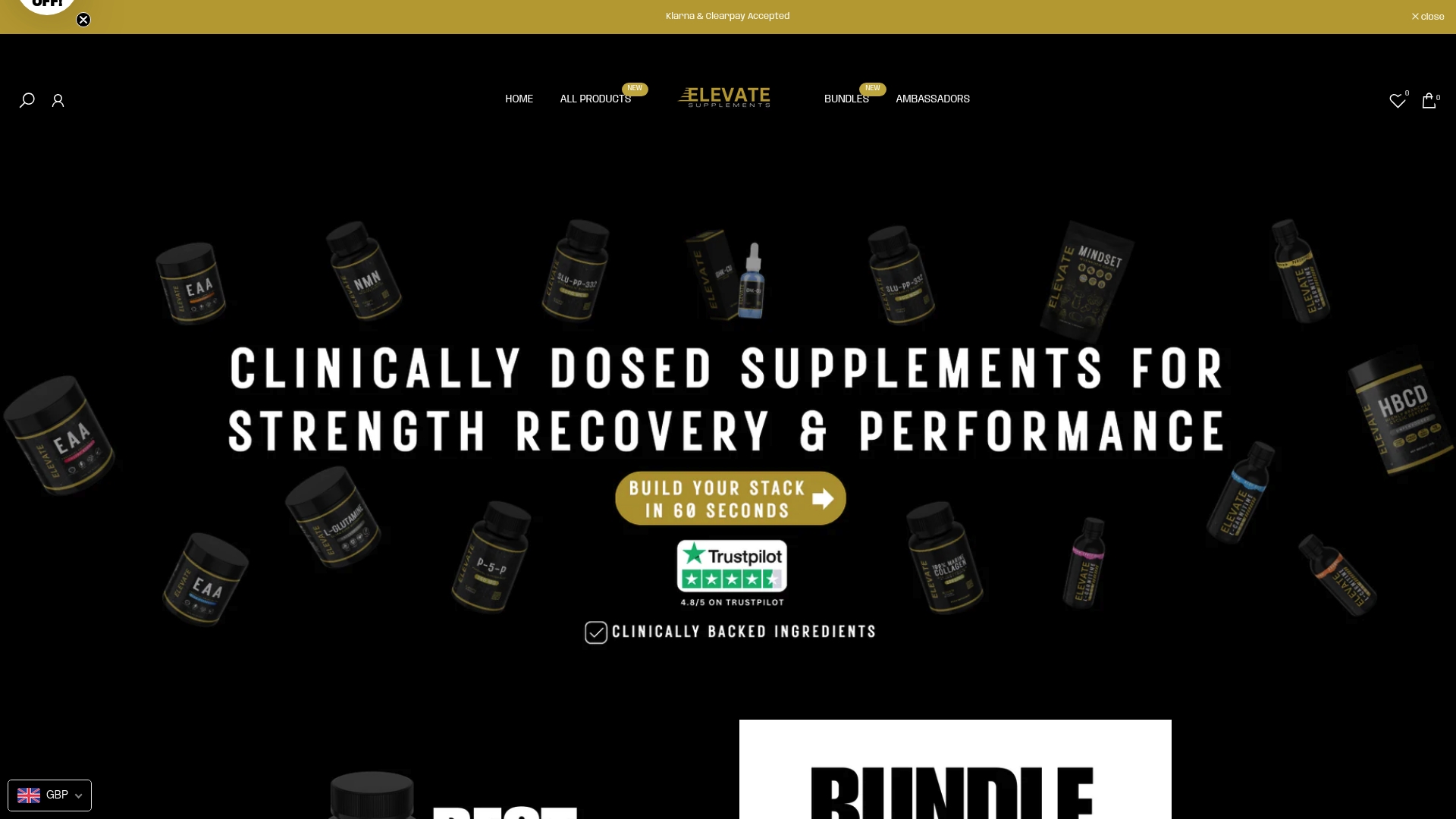
Take charge of your energy and training results today at Elevate Supplements. Benefit from fast UK and Ireland delivery, secure checkout, and expert customer support as you build a safer, more effective supplement routine. Start with carefully chosen products that fit your personal energy profile to transform fatigue into peak performance.
Frequently Asked Questions
How can I assess my personal energy needs for supplements?
To assess your personal energy needs, calculate your basal metabolic rate (BMR) and multiply it by an activity factor based on your lifestyle. Track your energy levels throughout a week to identify when you feel strongest and weakest; this will help you make informed choices about the supplements that could benefit you.
What are the most effective natural supplements for boosting energy?
The most effective natural supplements for boosting energy include B-complex vitamins, iron, magnesium, ginseng, and creatine monohydrate. Start with one or two of these supplements based on your identified deficiencies and monitor their impact over four to six weeks to see how they enhance your energy levels.
How should I safely integrate supplements into my routine?
Safely integrate supplements by consulting your healthcare provider before starting any new regimen, especially if you take medications. Establish a consistent daily routine for taking the supplements, ideally with food, and monitor your body’s response over the first month to identify any side effects or improvements.
What should I track while using energy-boosting supplements?
While using energy-boosting supplements, track your workout performance, energy levels throughout the day, recovery speed, and any changes in mood or sleep quality. Maintain a log for at least four weeks to compare these metrics against your baseline measurements, helping you evaluate the effectiveness of the supplements.
How do I know when to adjust my supplement regimen?
You should adjust your supplement regimen when your training phase changes or if you notice no improvements after several weeks. If a particular supplement has not shown positive results within four to six weeks, consider redirecting your investment to supplements that address your current energy bottlenecks.


